32.018 Agonopterix heracliana (Common Brindled Brown)
ws: 15-21mm; Jul-May; many species of Apiaceae (Umbellifers); common throughout GB
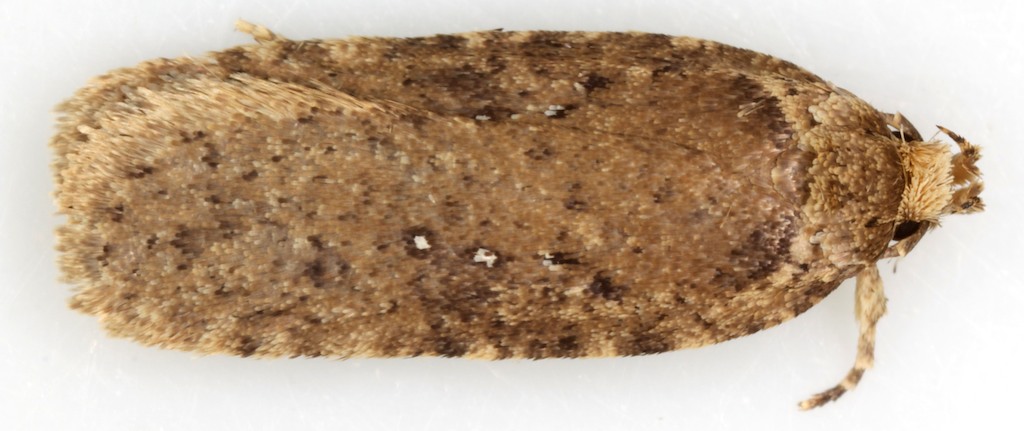
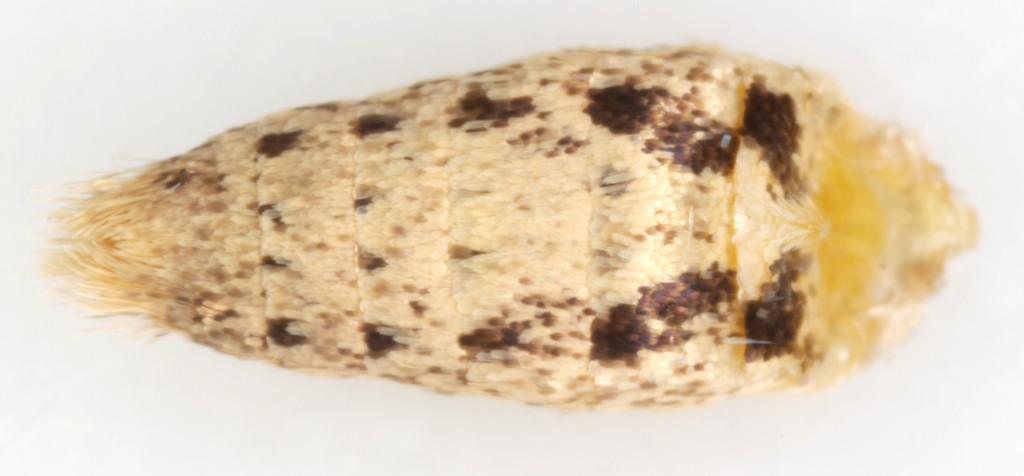
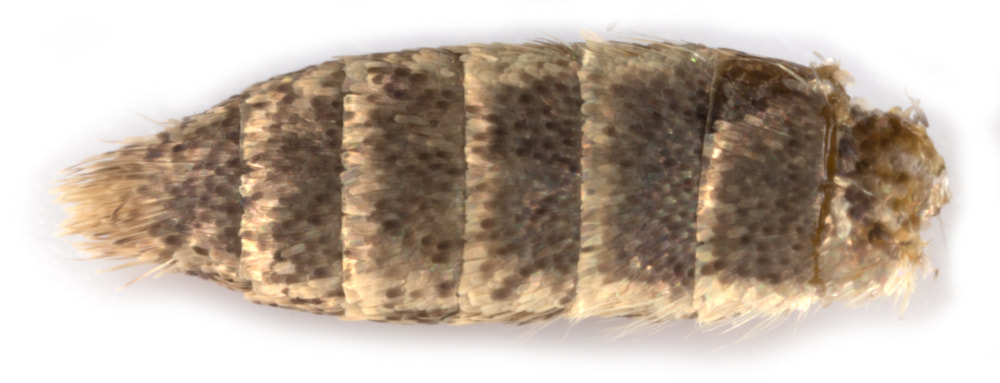
Agonopterix heracliana §4 female
ID from key in MBGBI4.1: Forewing not dark purplish or crimson-brown, with more than one white dot in disc, without red mark in disc, with a pair of obliquely placed black dots in disc at 1/3, without dark line from white dot to tornus, apex not subfalcate, veins not dark-lined; labial palp S3 with one or more dark bands; hindwing light greyish fuscous (not dark grey); upperside of abdomen not blackish medially and buff laterally; forewing costa gently arched, apex rounded, termen rounded (A.scopariella has costa straight in outer 2/3, apex squared, apical half of termen straight); hindwing cilia not pink-tinged, with 2 or 3 fuscous ciliary lines > A.heracliana (A.ciliella has hw cilia often pink-tinged and 5 fuscous ciliary lines).
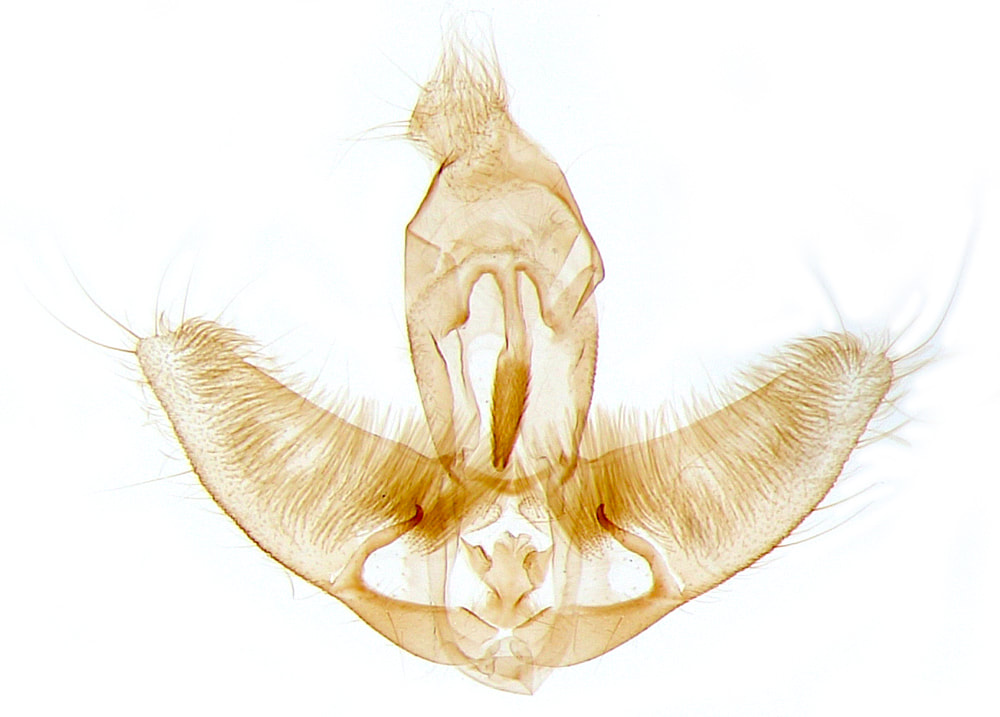
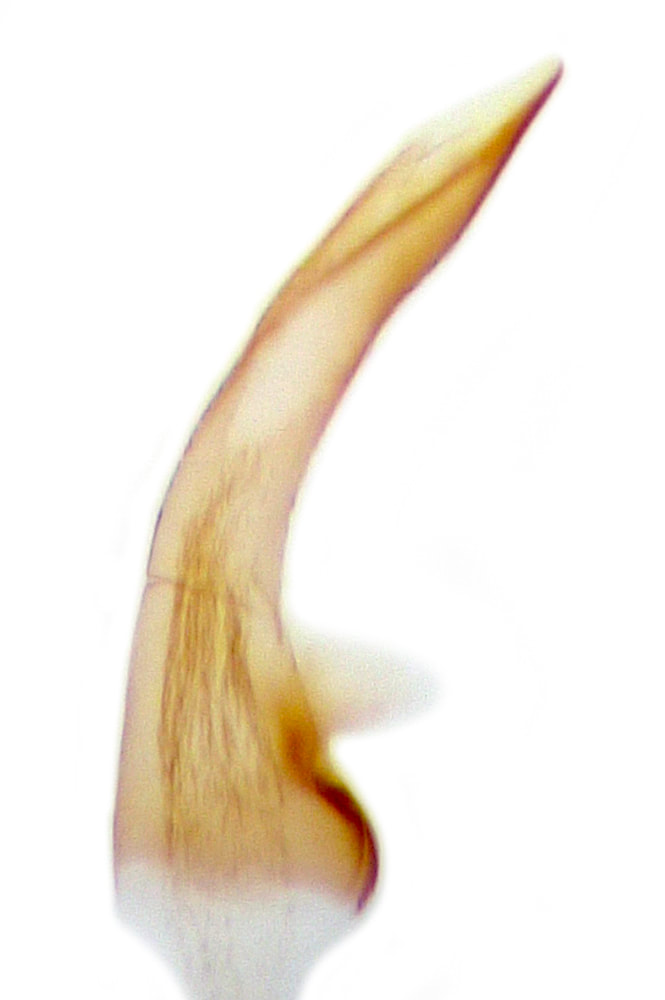
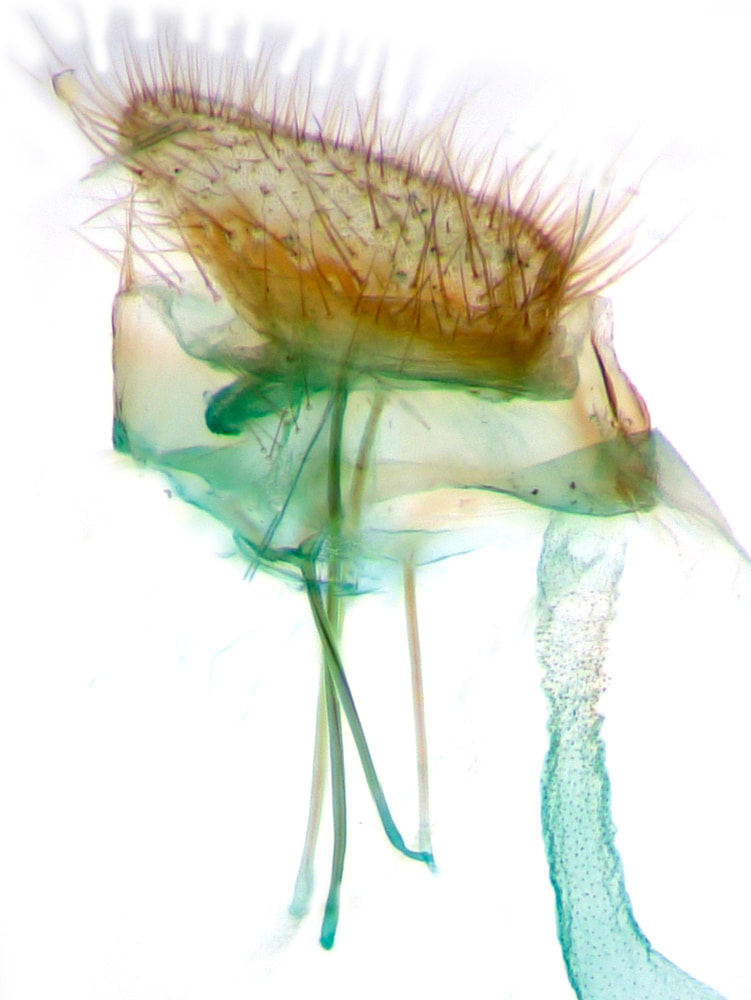
Male genitalia: A.heracliana and A.ciliella are very similar. The difference is described in MBGBI4.1 thus: "A.ciliella has the distal process of the sacculus (cuiller) straight but twisted on its long axis, whereas in A.heracliana it is sinuate and not twisted".
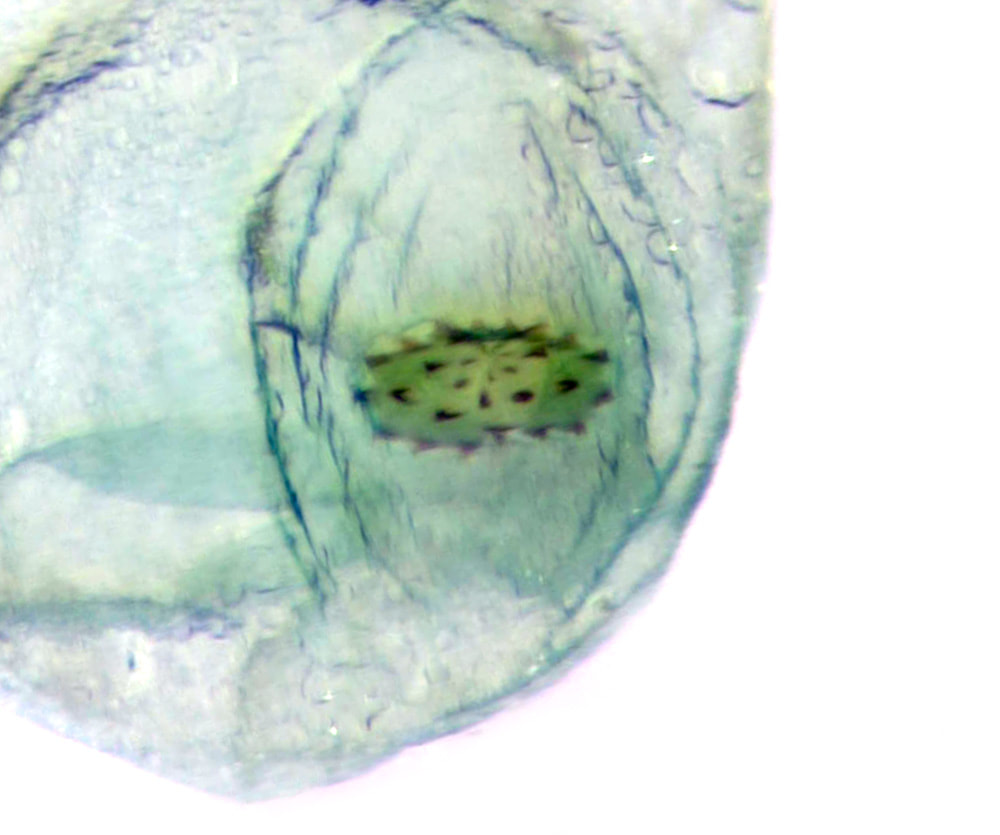
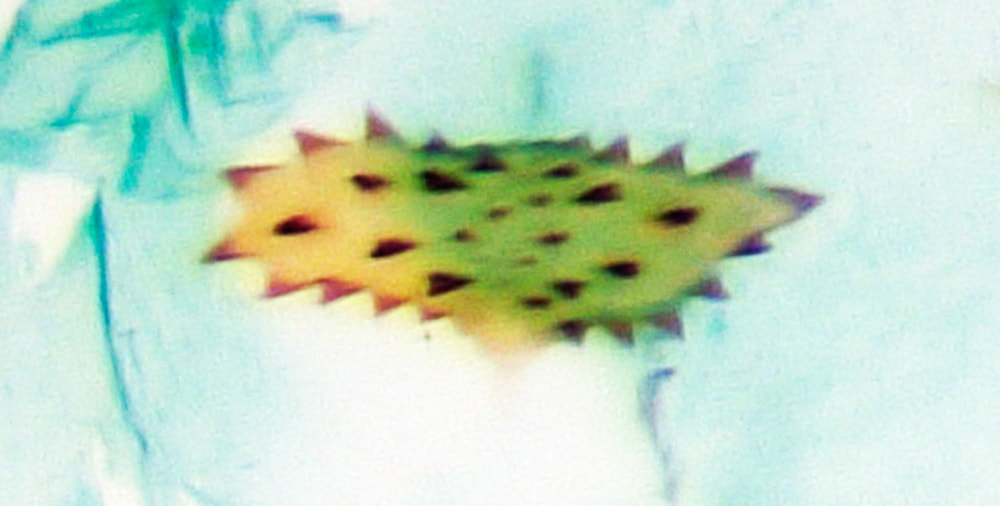
Female genitalia: in A.ciliella the signum is small and rounded, whereas in A.heracliana it is larger and oblong
Male genitalia: A.heracliana and A.ciliella are very similar. The difference is described in MBGBI4.1 thus: "A.ciliella has the distal process of the sacculus (cuiller) straight but twisted on its long axis, whereas in A.heracliana it is sinuate and not twisted".
Female genitalia: in A.ciliella the signum is small and rounded, whereas in A.heracliana it is larger and oblong
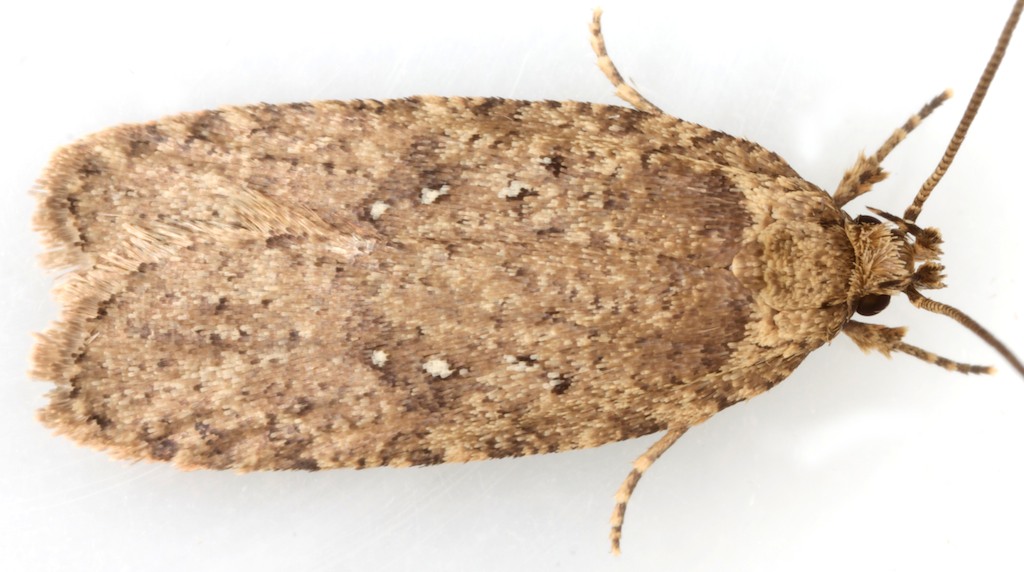
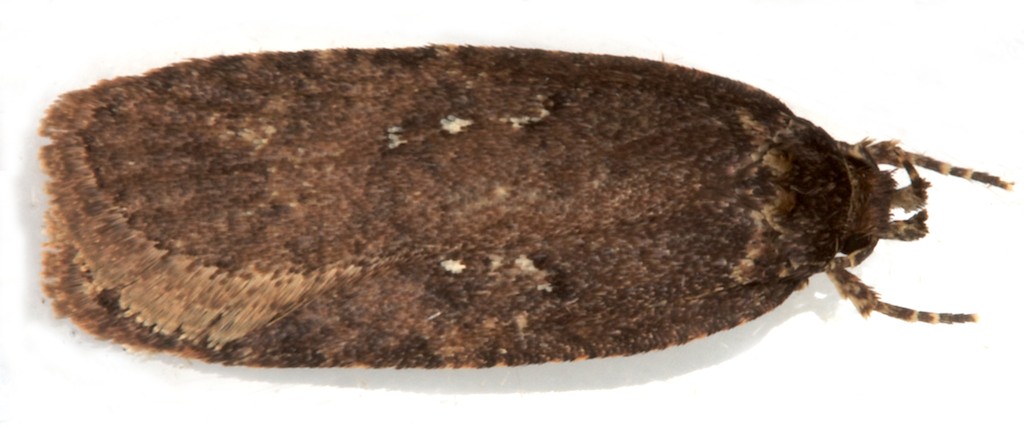
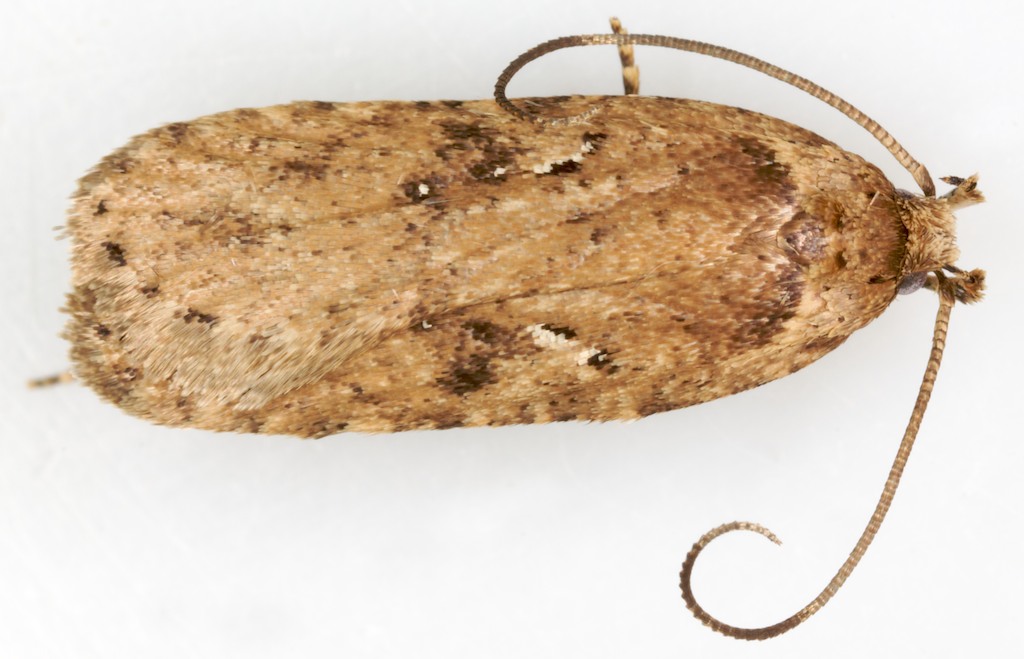
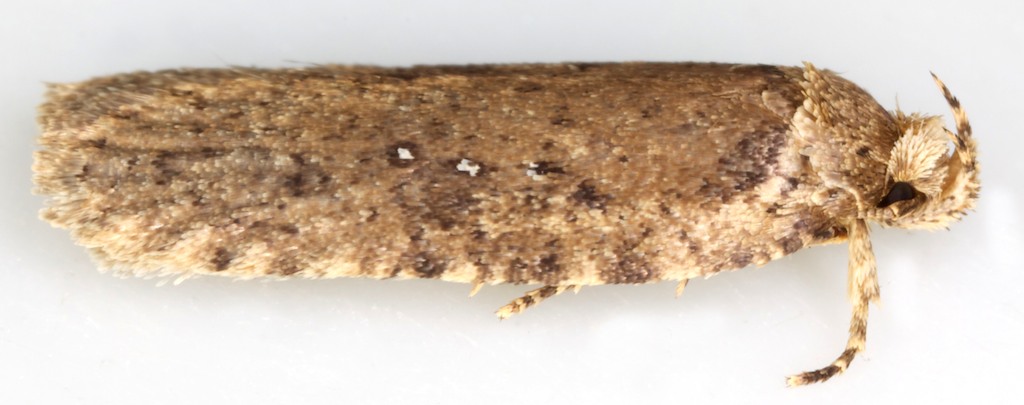
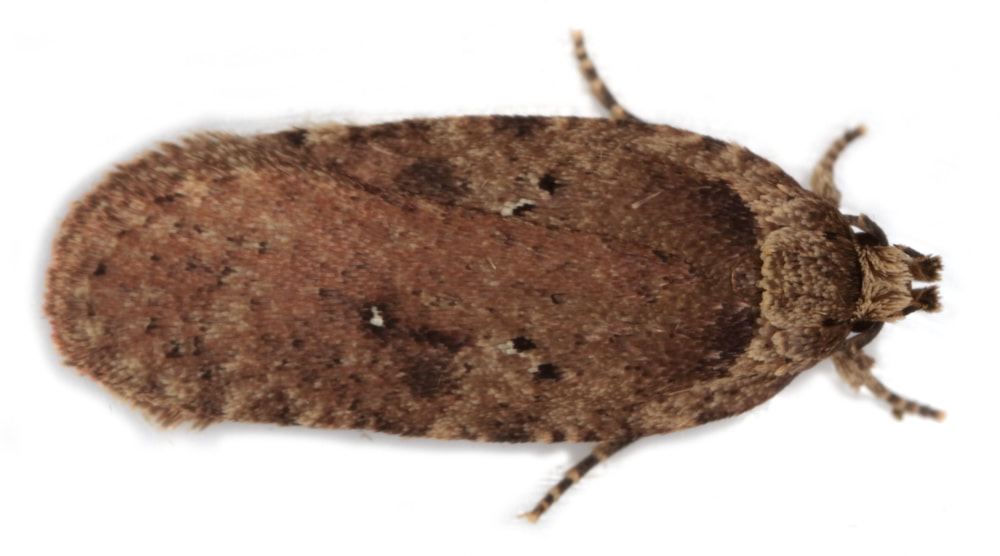

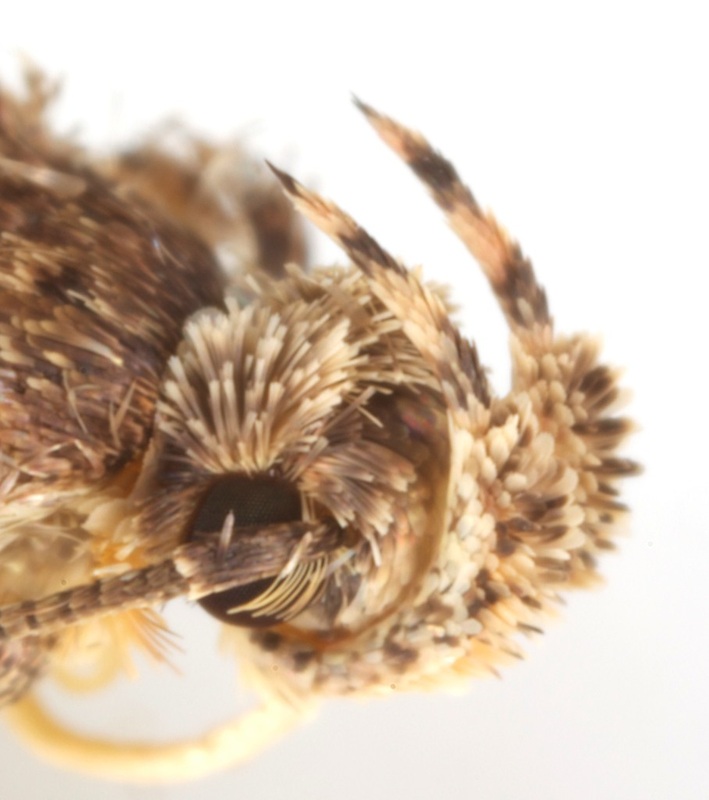

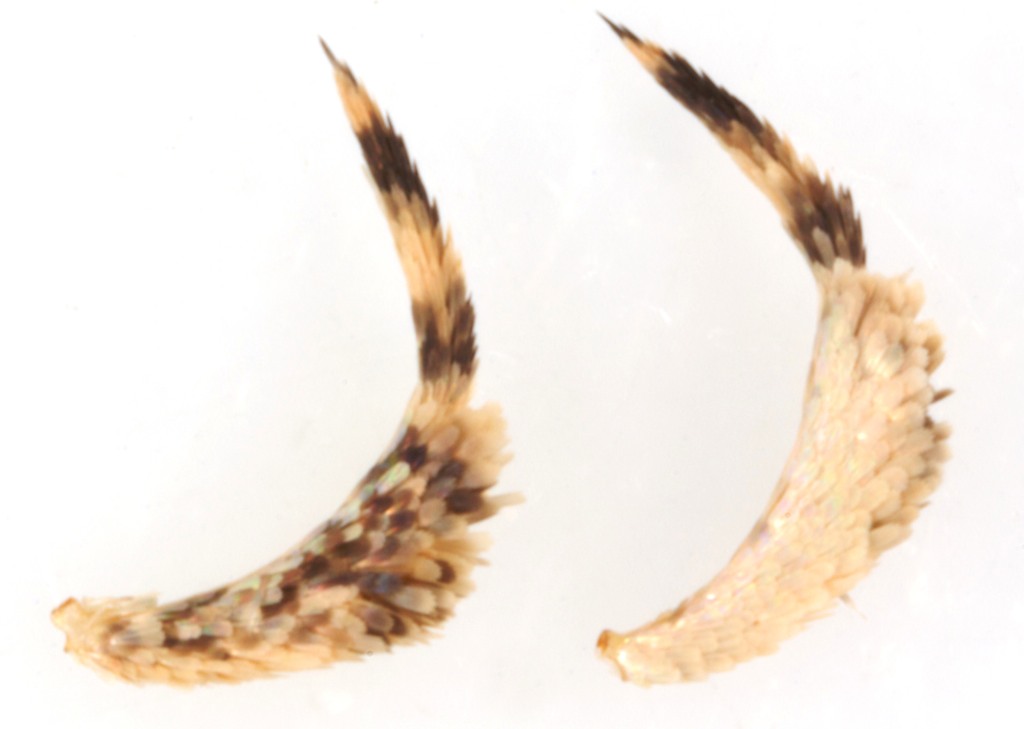

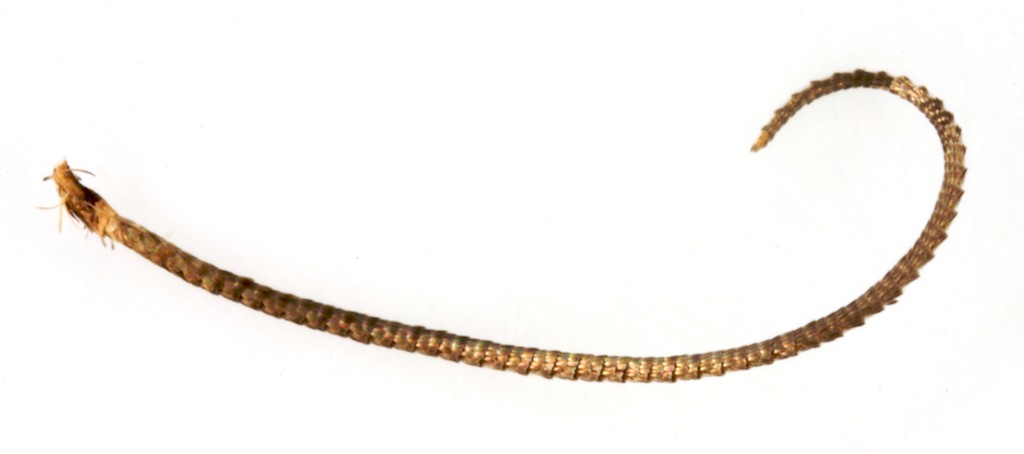
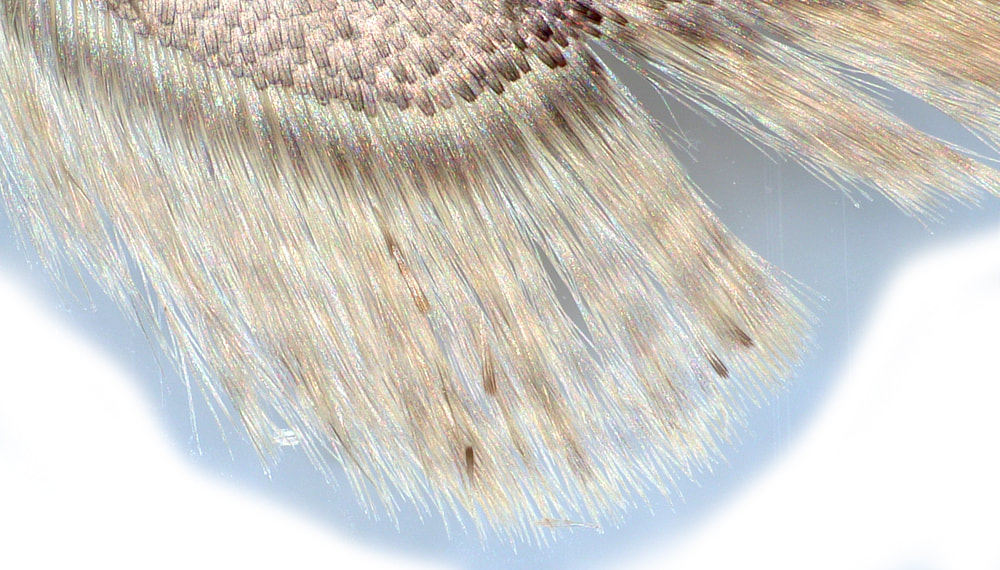
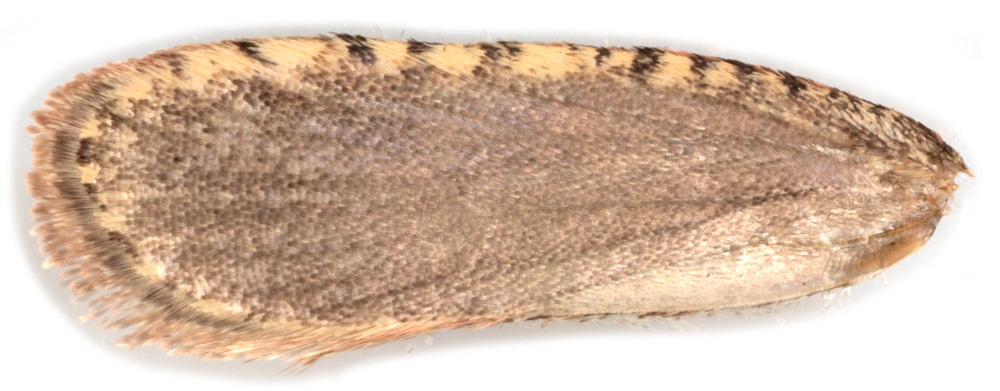
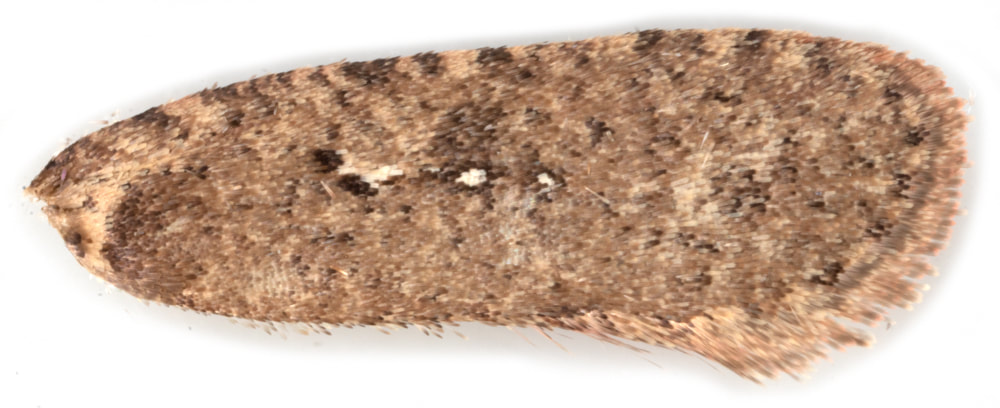
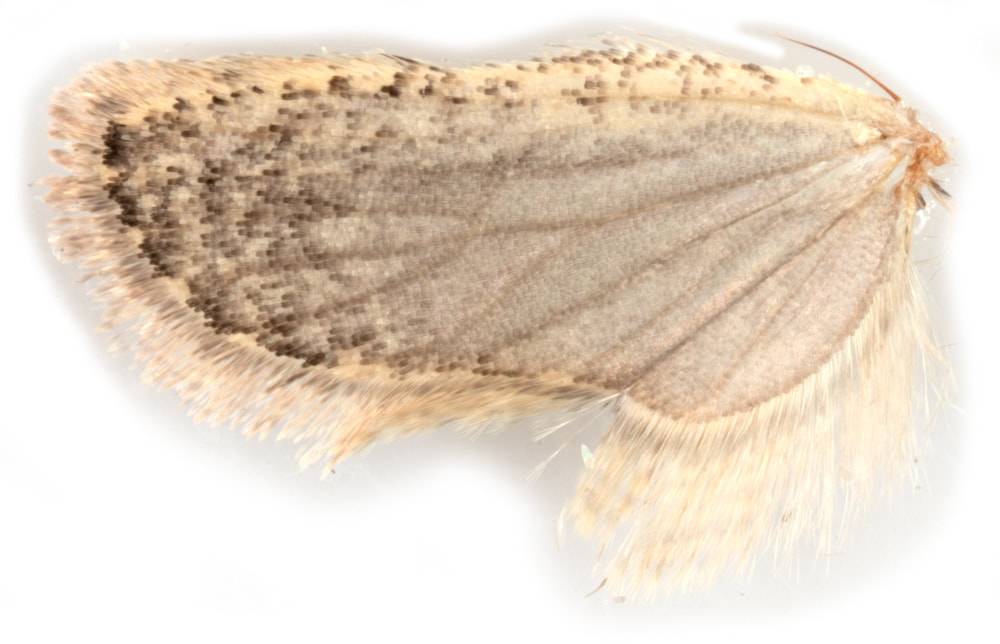
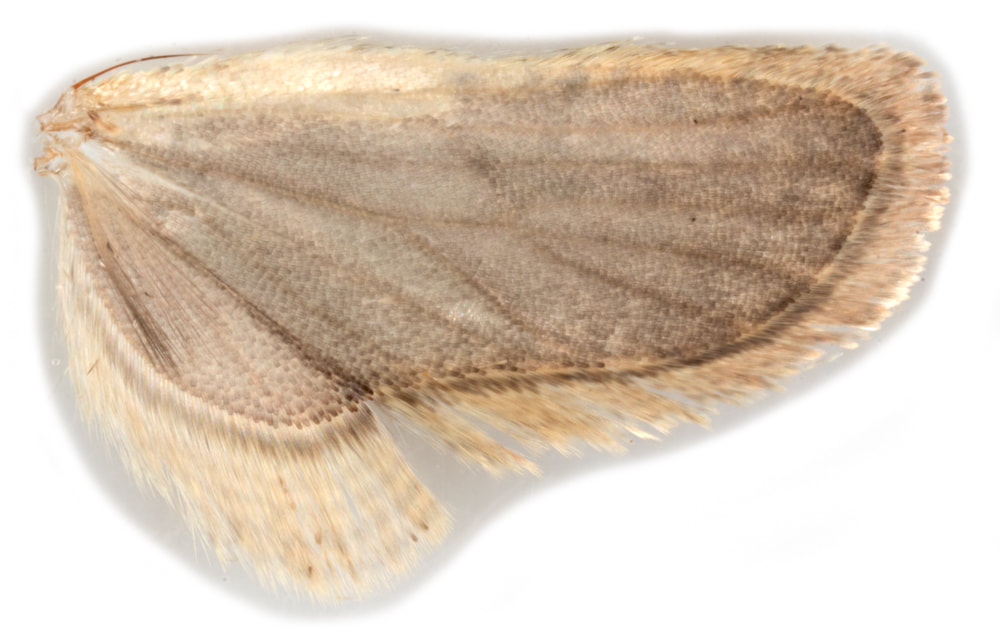
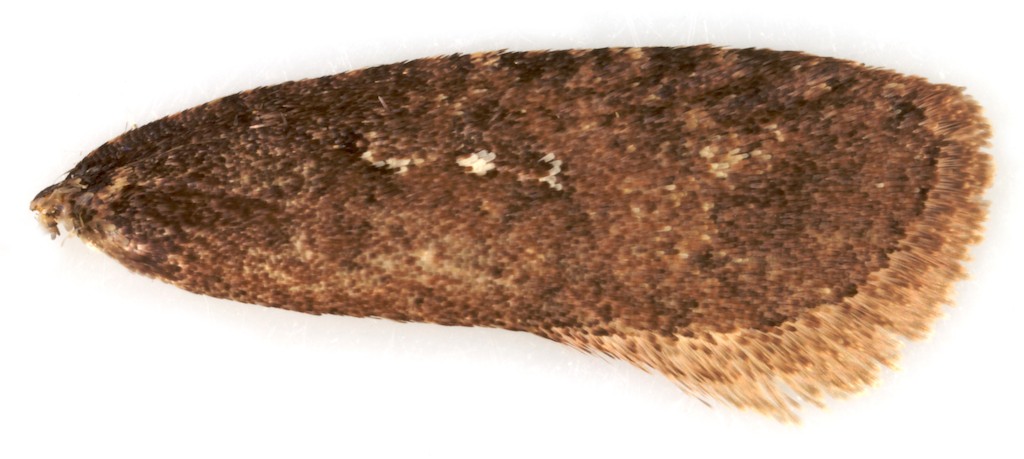
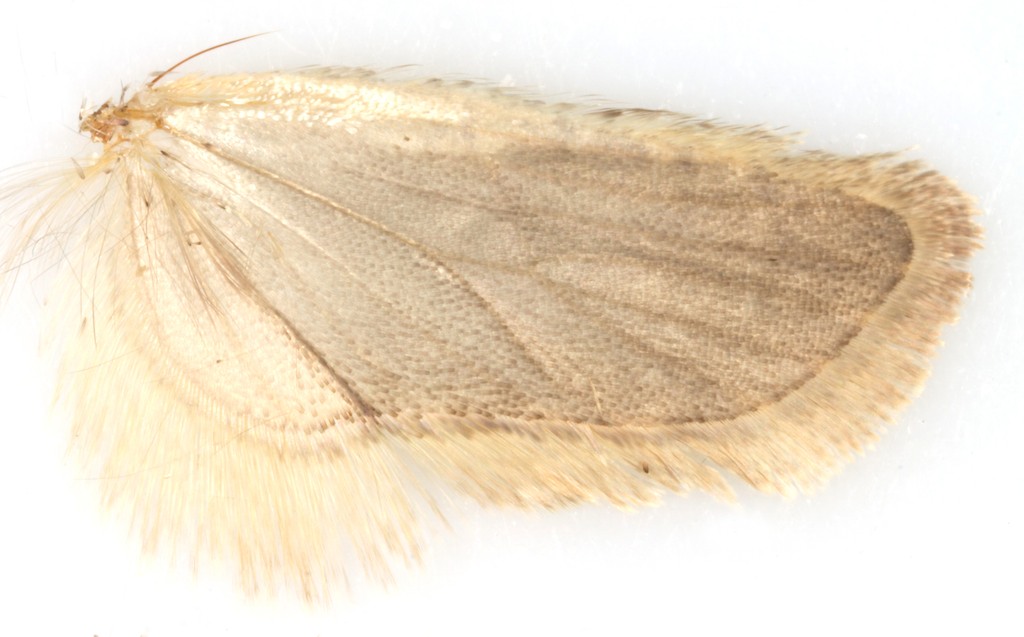
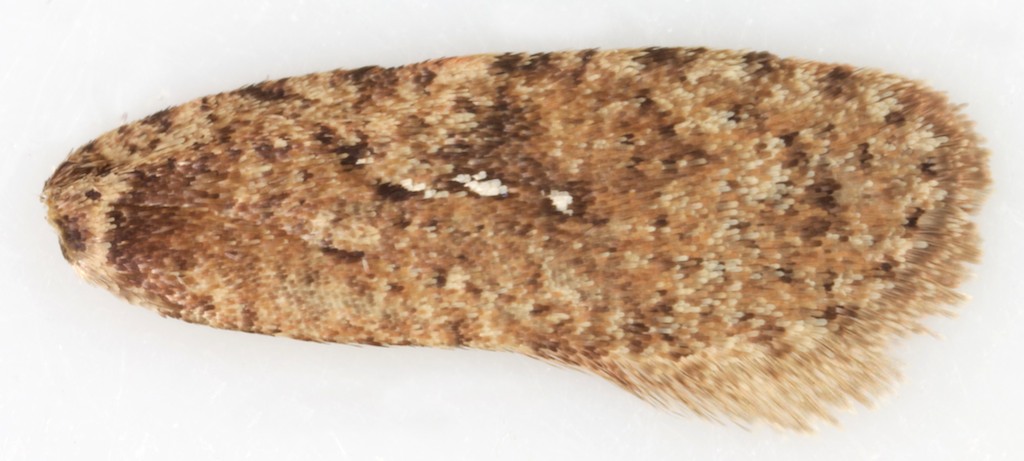
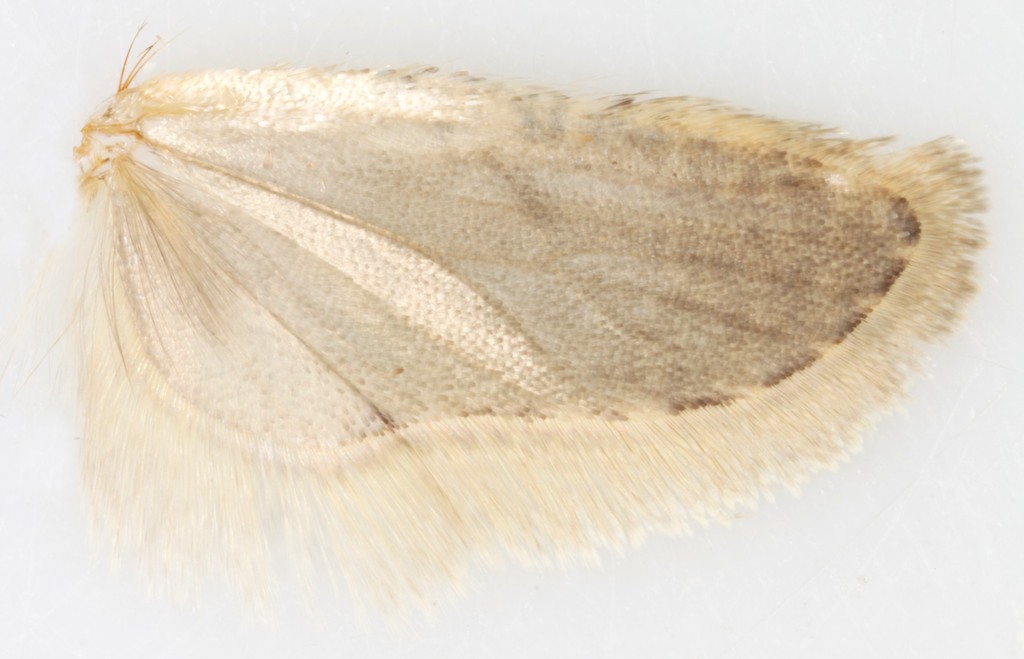

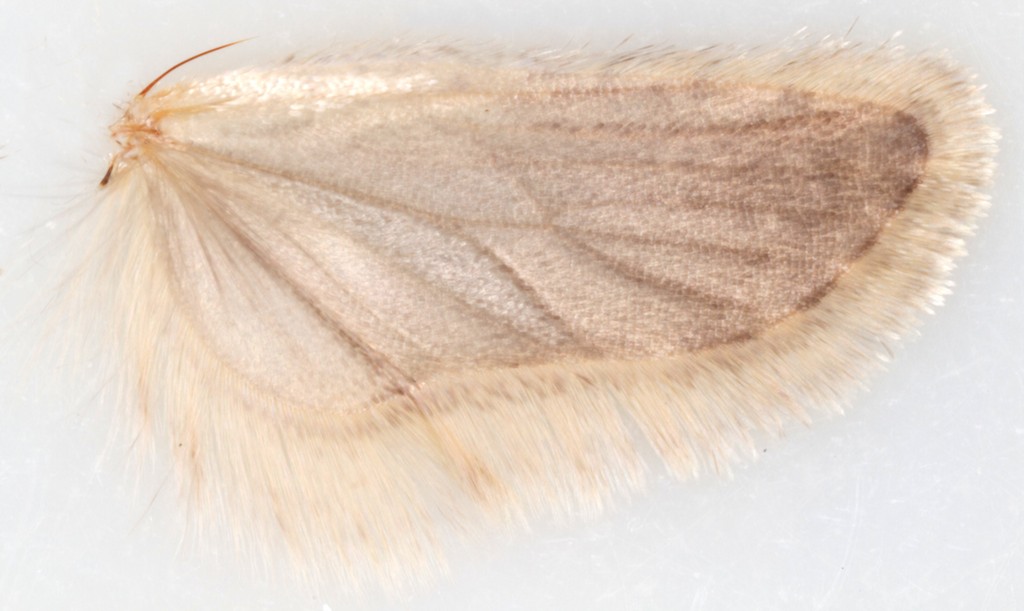

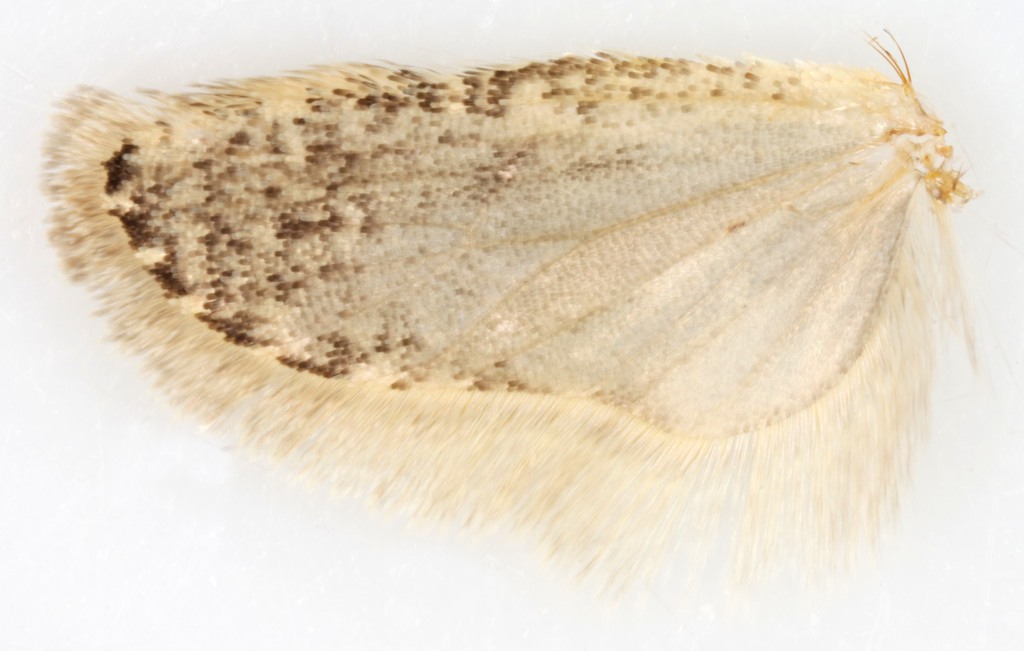

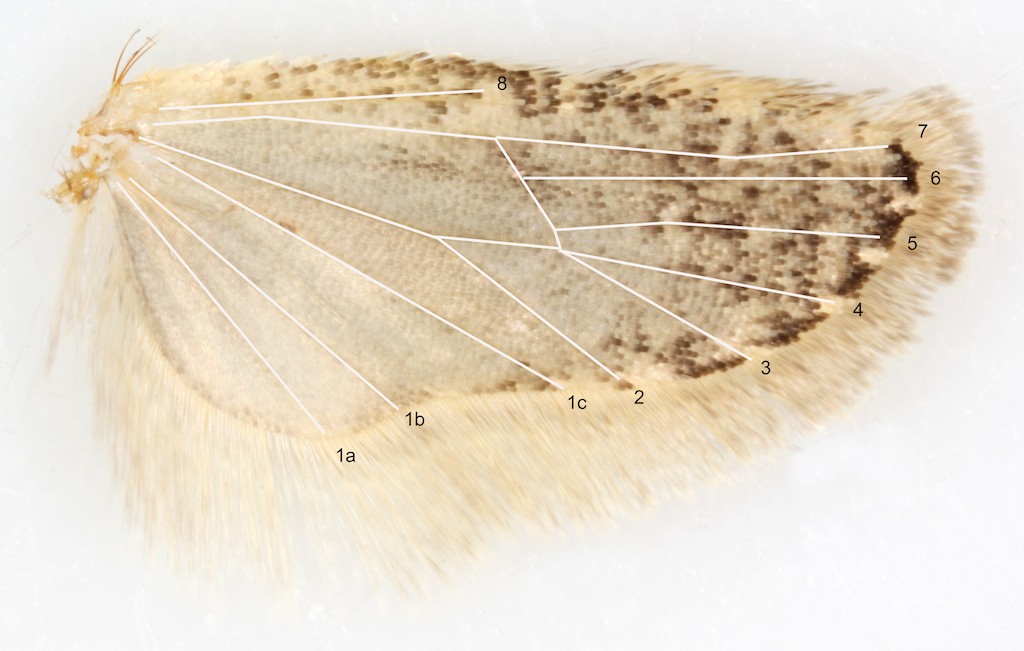
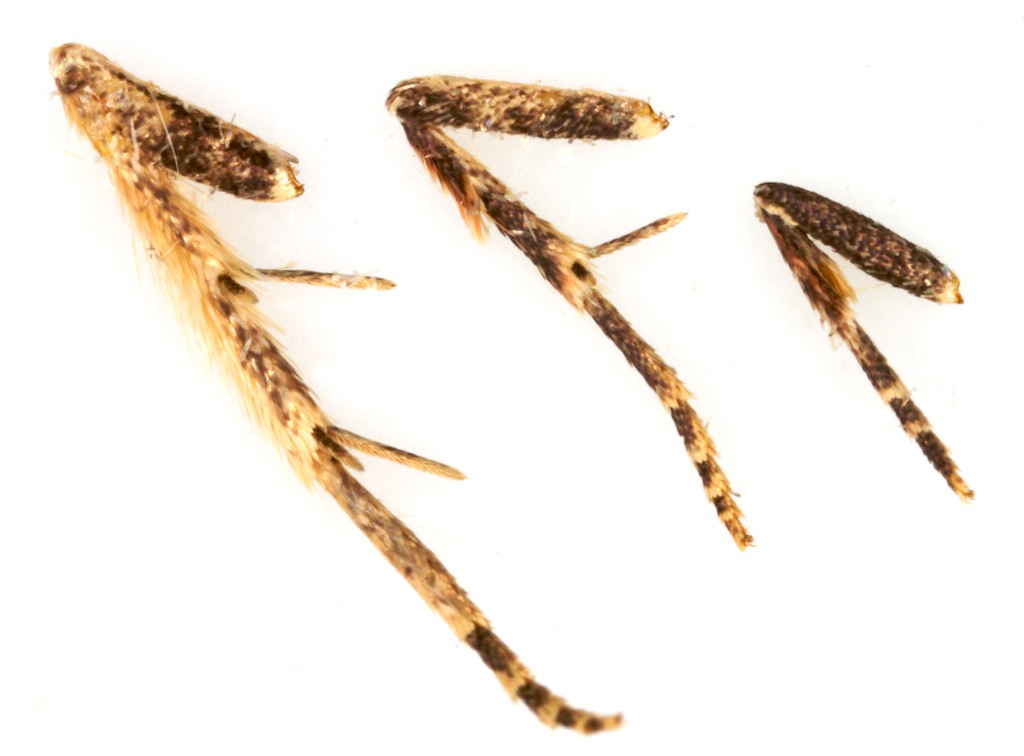
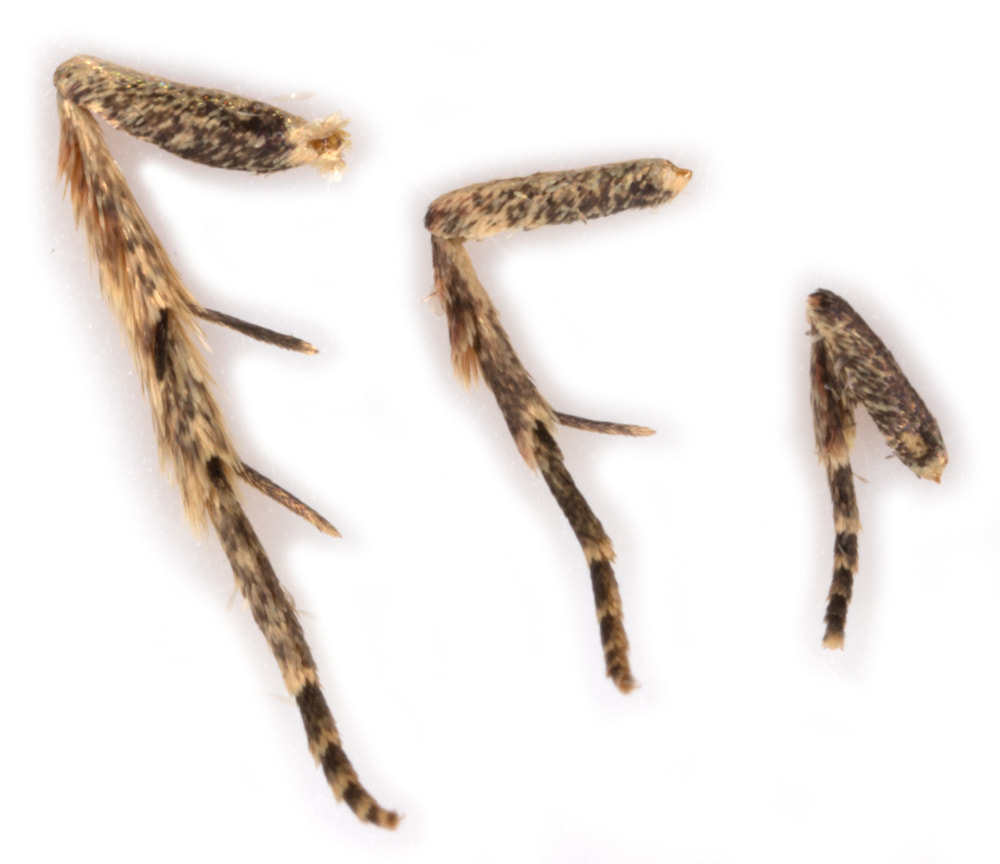
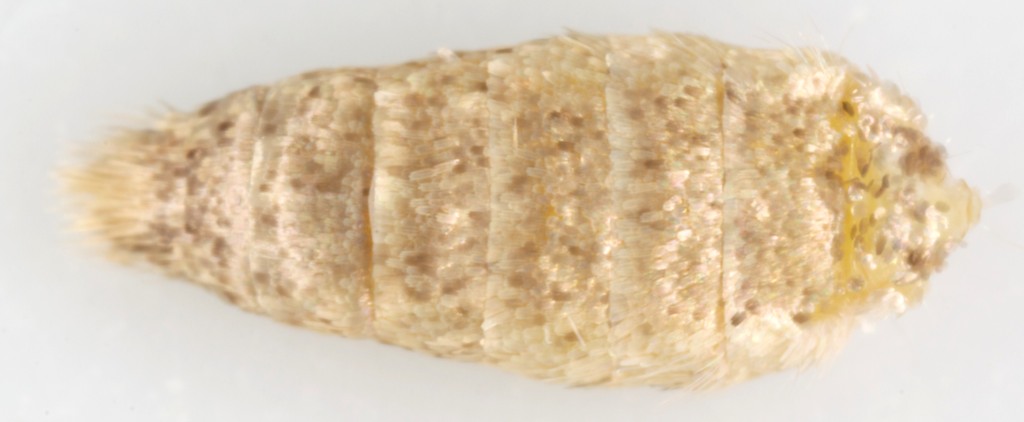
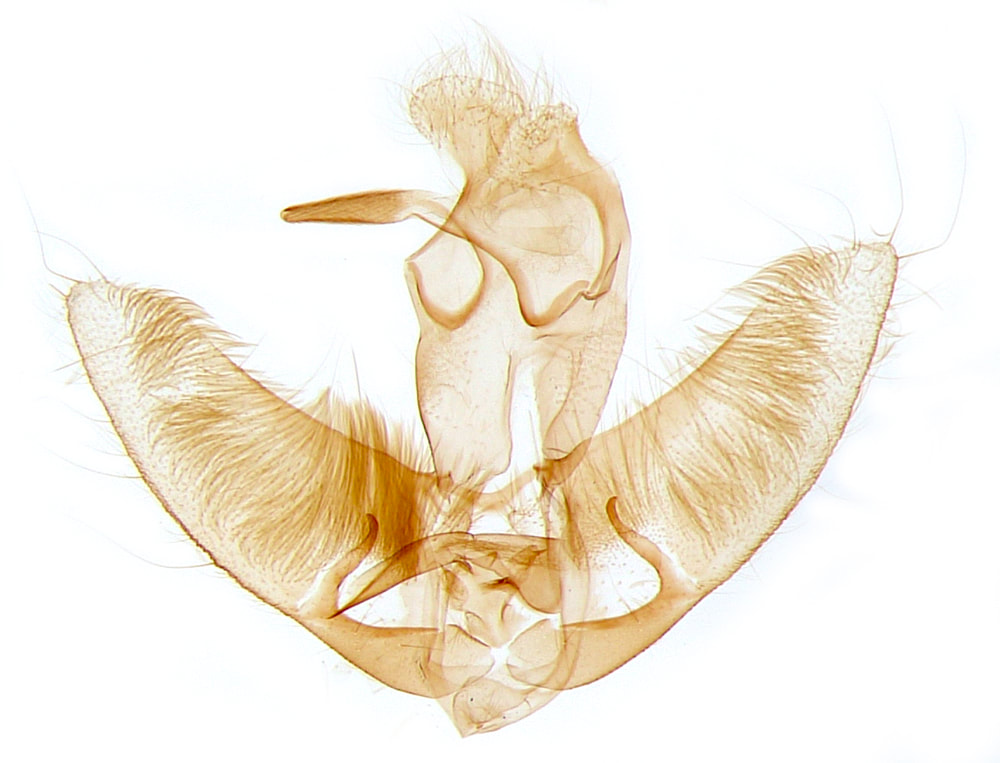
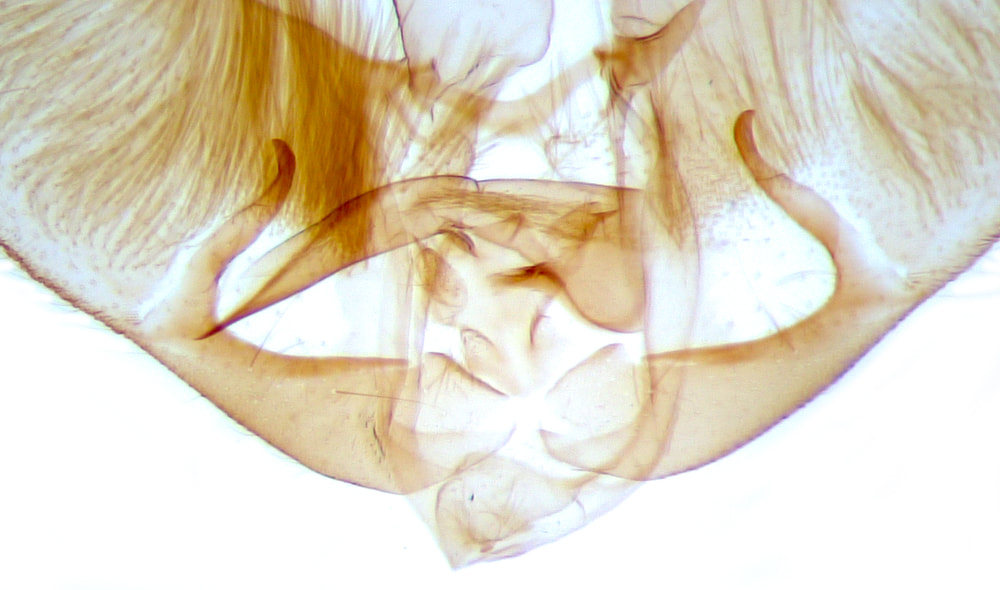

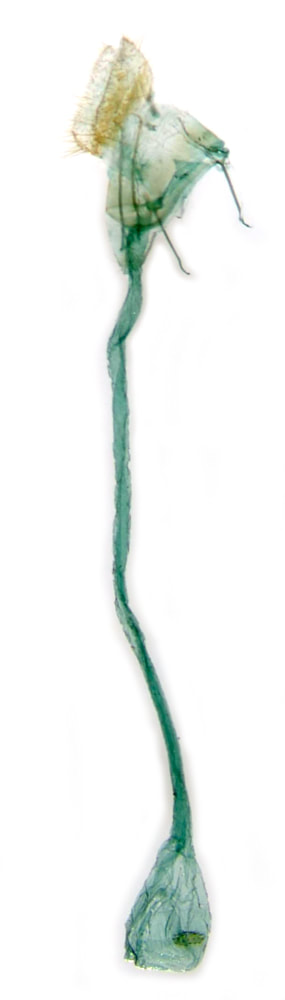
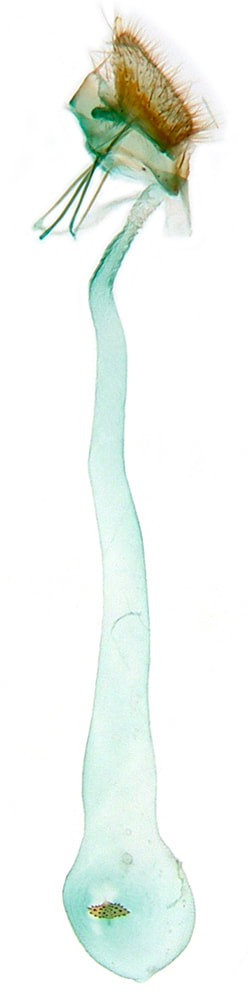
§1 Ham Fen, Kent; 10/08/2010; male; fw 9.5mm
§2 Aldbrough, East Yorkshire; 05/09/2010; male; fw 9.5mm
§3 Ham Fen, Kent; 12/11/2010; male; fw 9.2mm
§4 Foulness, Essex; 24/07/2011; female; fw 9.1mm
§5 Strumpshaw Fen, Norfolk; 25/07/2014; male; fw 9.1mm
§6 St Marys, Isles of Scilly; 20/10/2016; male; fw 9.8mm; to light
§7 Bampton Grange, Cumbria; 17/08/2017; female; fw 9.5mm
§8 Cliburn Moss, Cumbria; 22/03/2022; male; fw 8.4mm
§9 Cliburn Moss, Cumbria; 12/05/2022; female; fw 8.9mm
§10 Sutton Fen, Norfolk; 11/07/2022; male; 10.4mm
All images © Chris Lewis
§2 Aldbrough, East Yorkshire; 05/09/2010; male; fw 9.5mm
§3 Ham Fen, Kent; 12/11/2010; male; fw 9.2mm
§4 Foulness, Essex; 24/07/2011; female; fw 9.1mm
§5 Strumpshaw Fen, Norfolk; 25/07/2014; male; fw 9.1mm
§6 St Marys, Isles of Scilly; 20/10/2016; male; fw 9.8mm; to light
§7 Bampton Grange, Cumbria; 17/08/2017; female; fw 9.5mm
§8 Cliburn Moss, Cumbria; 22/03/2022; male; fw 8.4mm
§9 Cliburn Moss, Cumbria; 12/05/2022; female; fw 8.9mm
§10 Sutton Fen, Norfolk; 11/07/2022; male; 10.4mm
All images © Chris Lewis
Page published 14/12/2011 (§1-4) | §5 added 05/08/2014 | §6 added 09/11/2016 | §7 added 05/01/2018 | §8 added 09/05/2022 |
§9 added 08/09/2022 | §10 added 17/12/2022
§9 added 08/09/2022 | §10 added 17/12/2022
