49.329 Cydia illutana (Larch Cone Moth)
ws: 12-14mm (BTM), fw: 5.5-6.5 (Sterling & Parsons); Norway spruce (Picea abies), larch (Larix decidua), silver fir (Abies alba); pRDB coniferous woods in S.England
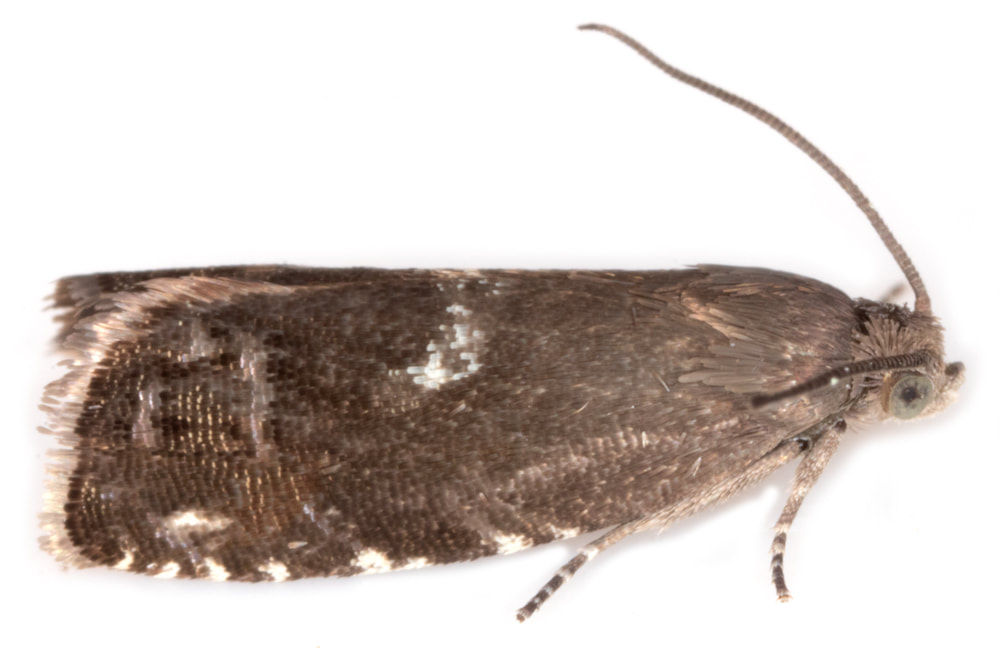
Cydia illutana §3 female
ID: Forewing dark grey-brown; a curved white mid-dorsal mark; white costal strigulae which give rise to leaden metallic striae; ocellus a few blackish spots or dashes bounded proximally and distally by leaden metallic striae. Very similar to C.coniferana, C.cognatana (which only occurs in Scotland) and C.indivisa and likely to need genital determination.
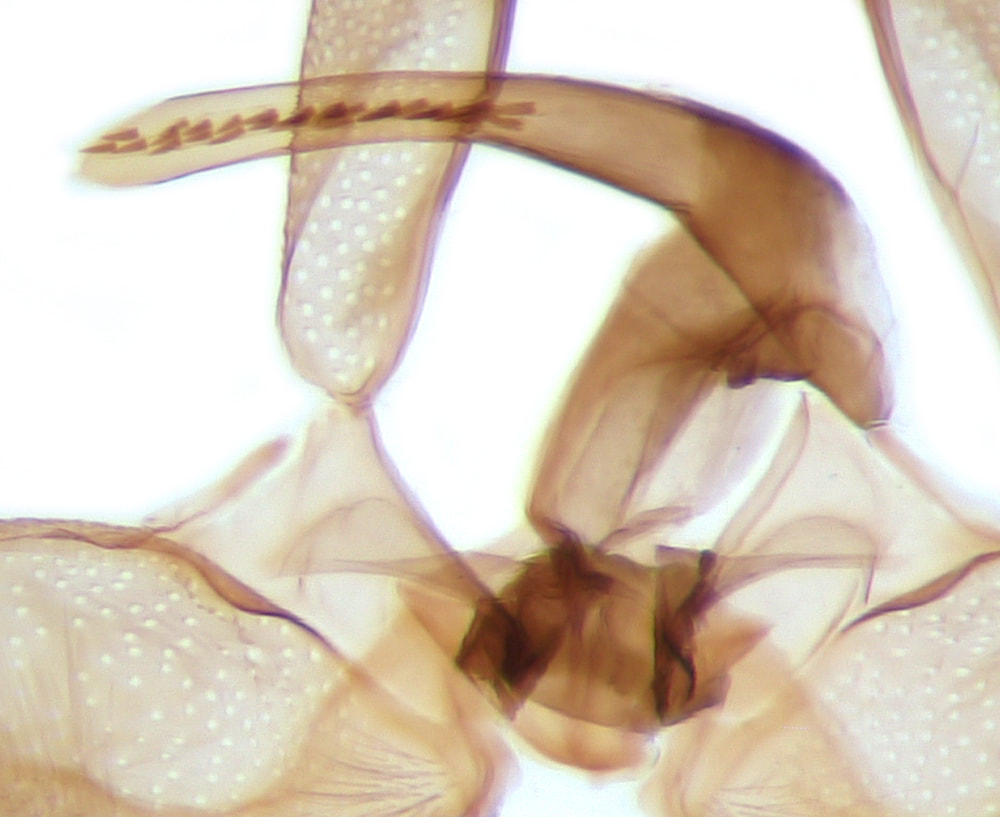
Male genitalia: C. coniferana is readily distinguished by a projection from the anteroventral margin of the valva just proximal to the cucullus; there is a more angular junction between sacculus and neck of the valva in C.cognatana and C.indivisa than in C.illutana. The latter 3 species have distinctive arrangements of cornuti: In C.illutana a row of ~24 small thorns in the apical ½; in C.cognatana ~2 small thorns at ~½-⅔; in C.indivisa an apical cluster of ~7 unequal thorns.
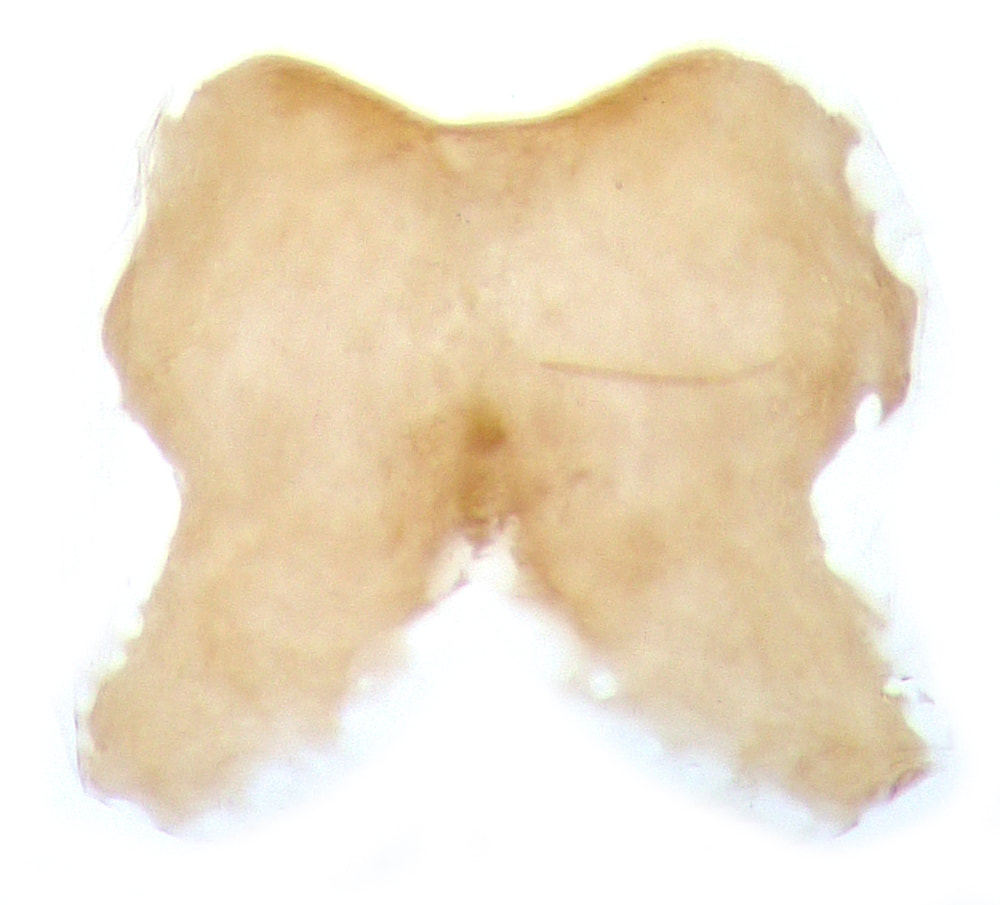
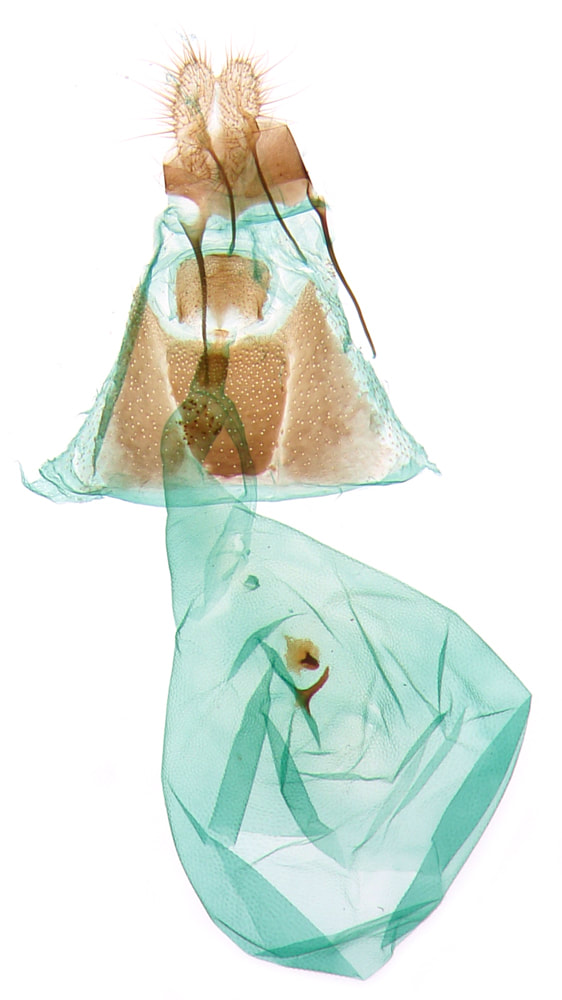
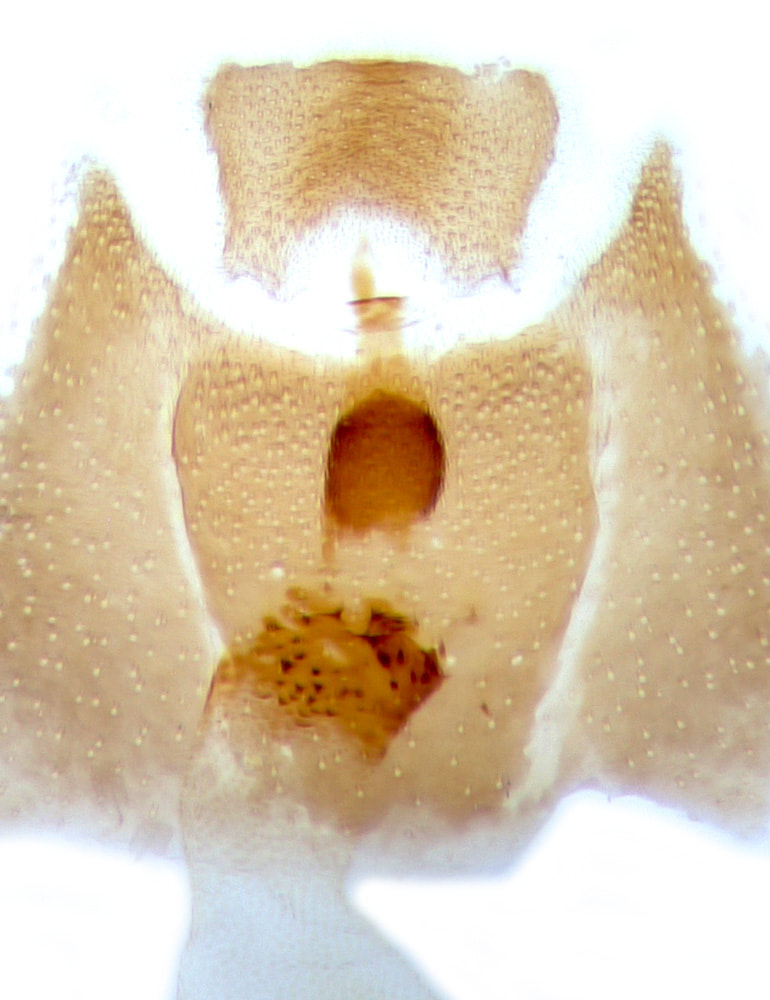
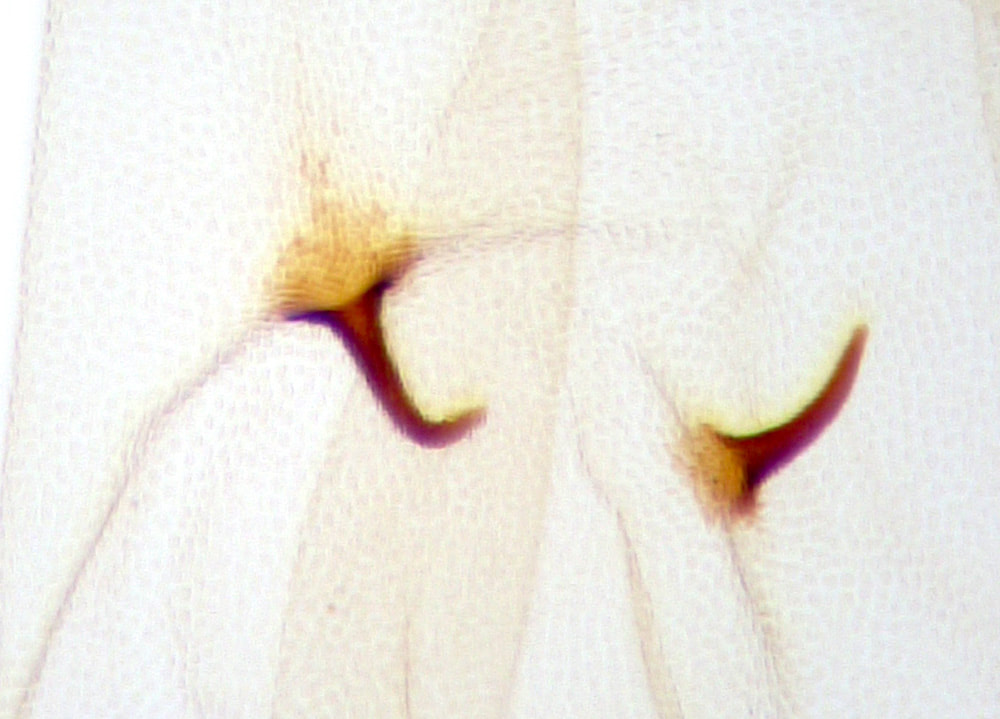
Female genitalia: The species are best distinguished by the arrangement of sclerotisations within the ductus bursae; in C.illutana the colliculum is quadrate and anterior to this is a dentate sclerotised plaque, the ductus seminilis opening between these two sclerotisations.
Male genitalia: C. coniferana is readily distinguished by a projection from the anteroventral margin of the valva just proximal to the cucullus; there is a more angular junction between sacculus and neck of the valva in C.cognatana and C.indivisa than in C.illutana. The latter 3 species have distinctive arrangements of cornuti: In C.illutana a row of ~24 small thorns in the apical ½; in C.cognatana ~2 small thorns at ~½-⅔; in C.indivisa an apical cluster of ~7 unequal thorns.
Female genitalia: The species are best distinguished by the arrangement of sclerotisations within the ductus bursae; in C.illutana the colliculum is quadrate and anterior to this is a dentate sclerotised plaque, the ductus seminilis opening between these two sclerotisations.

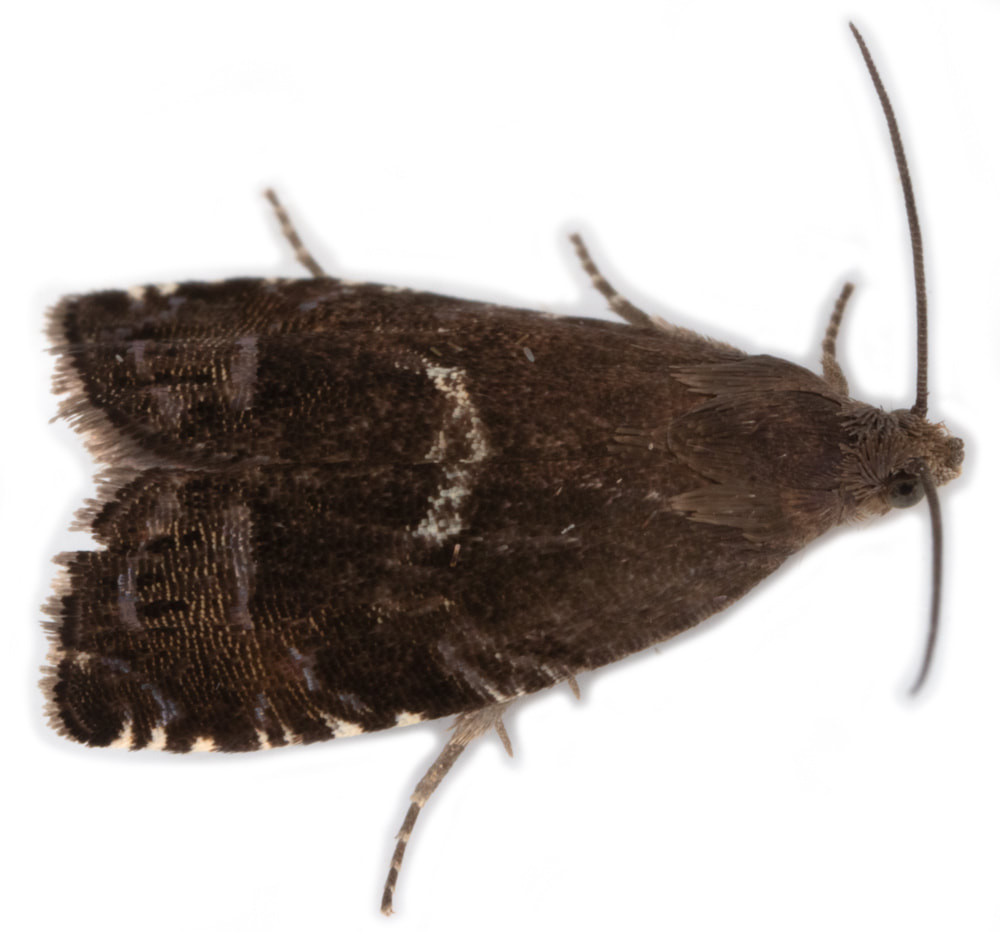
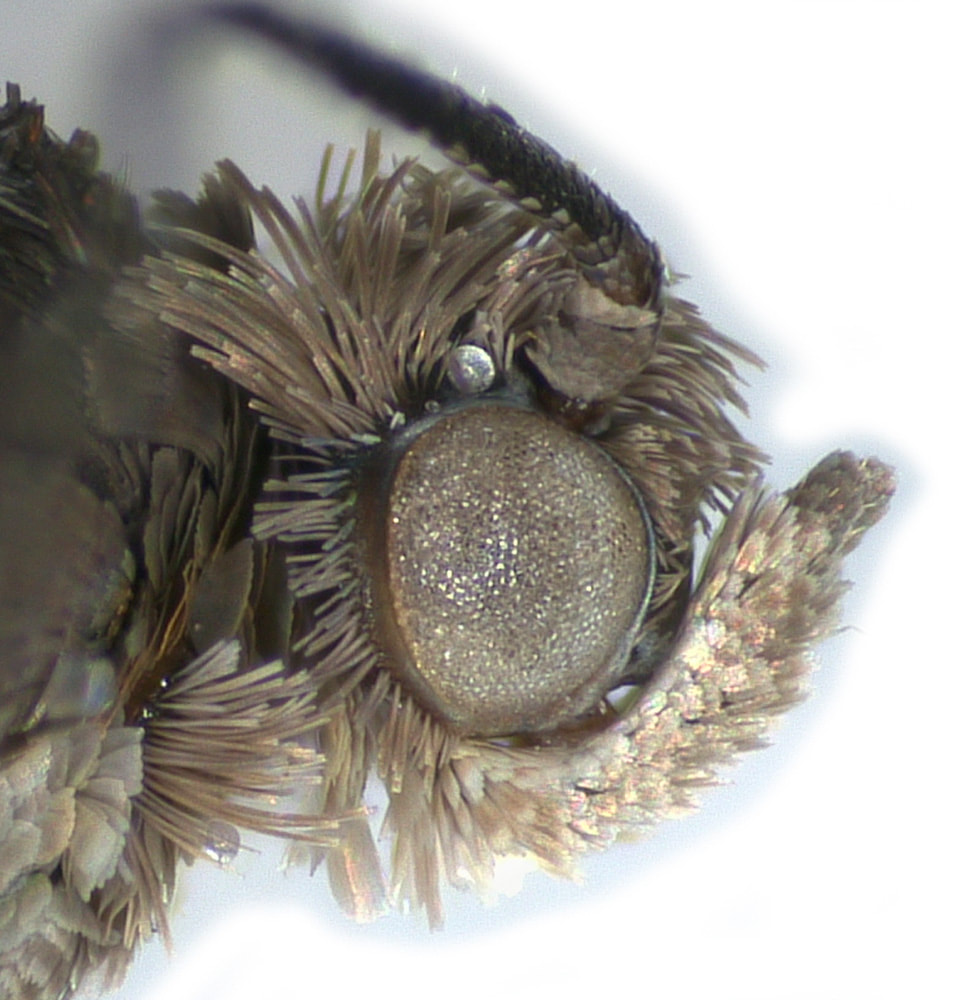
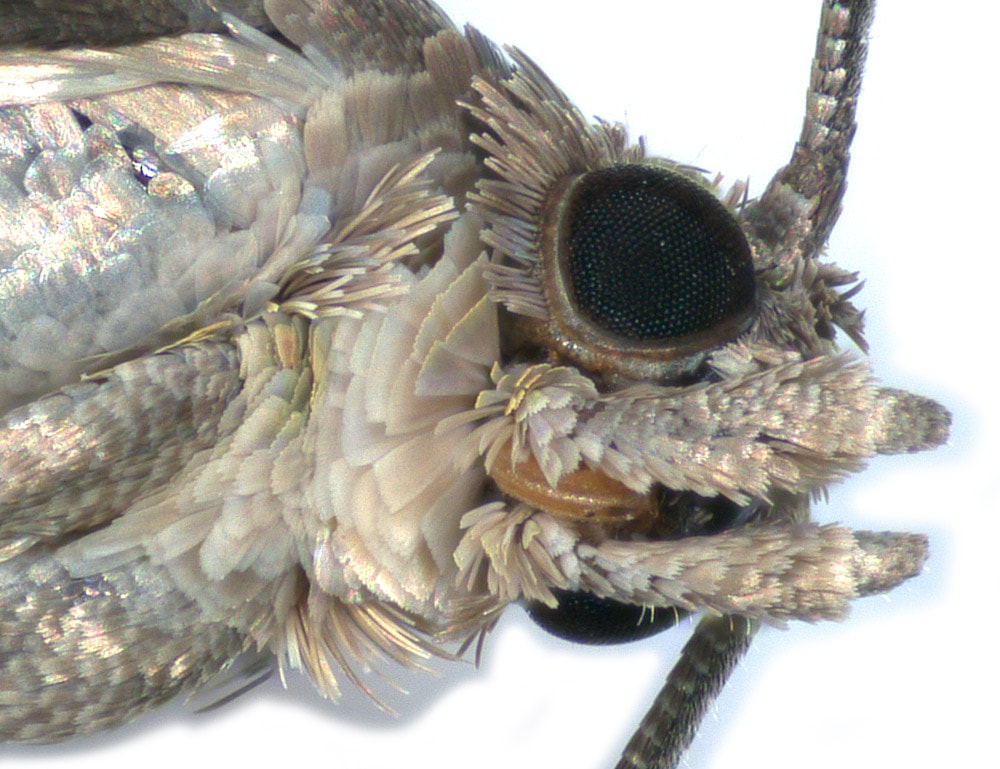
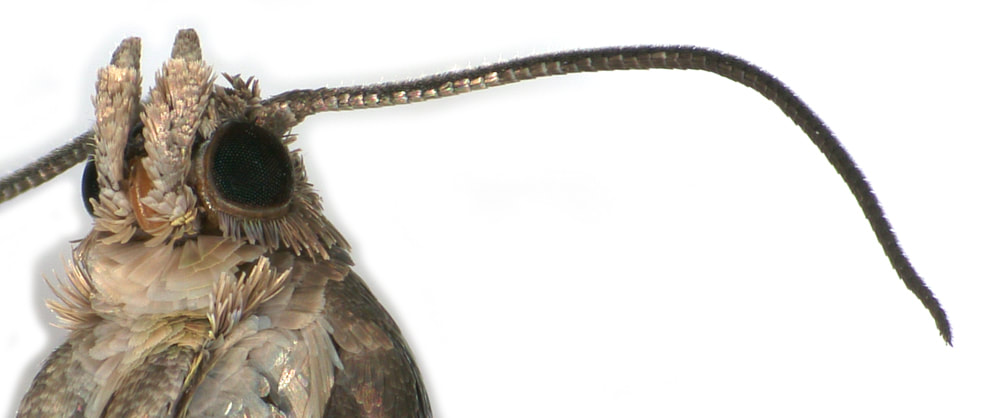

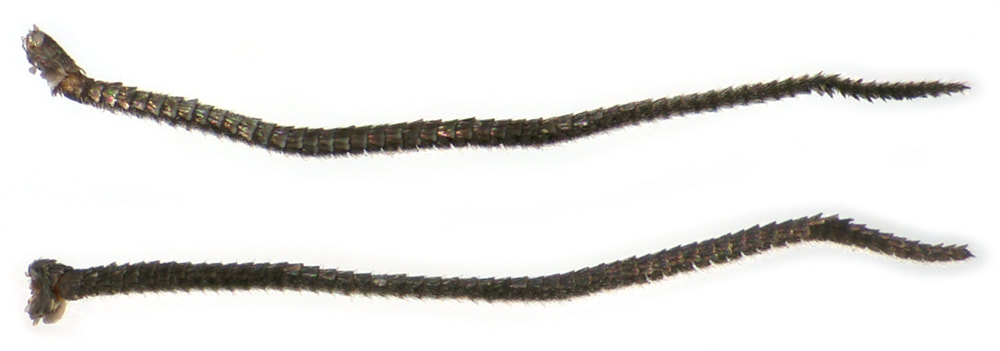
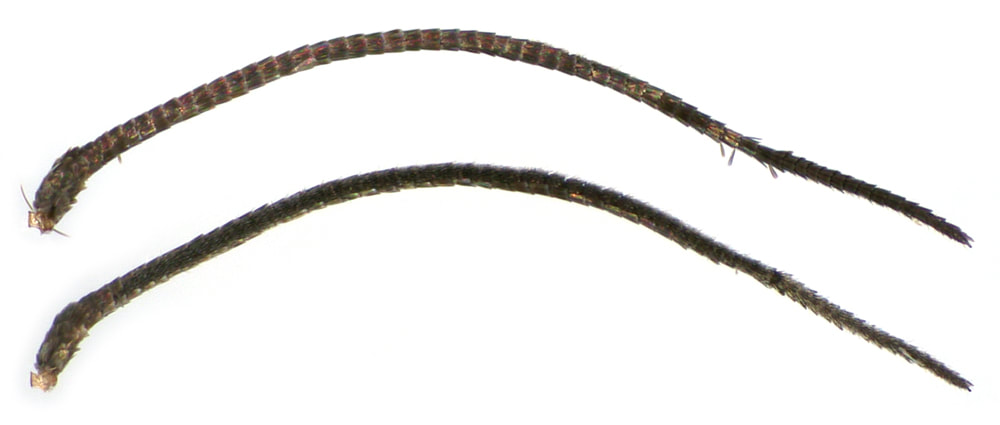
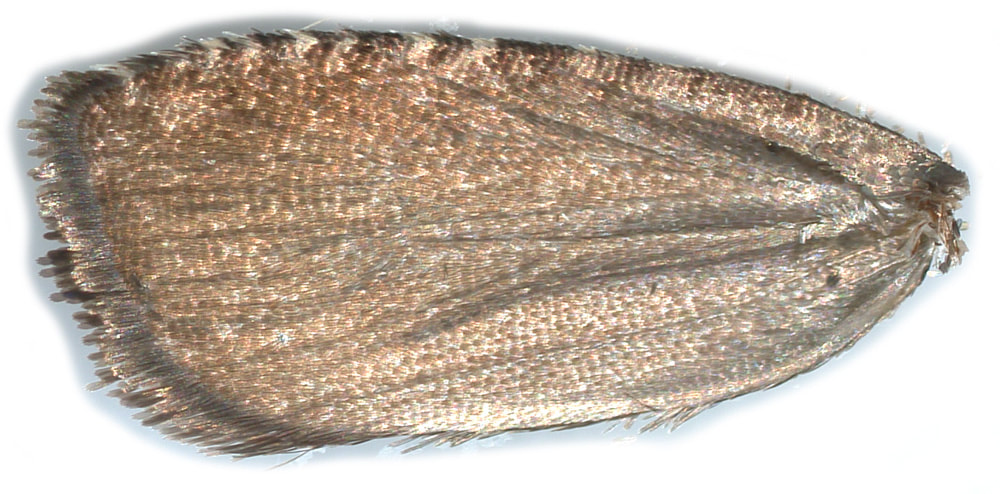


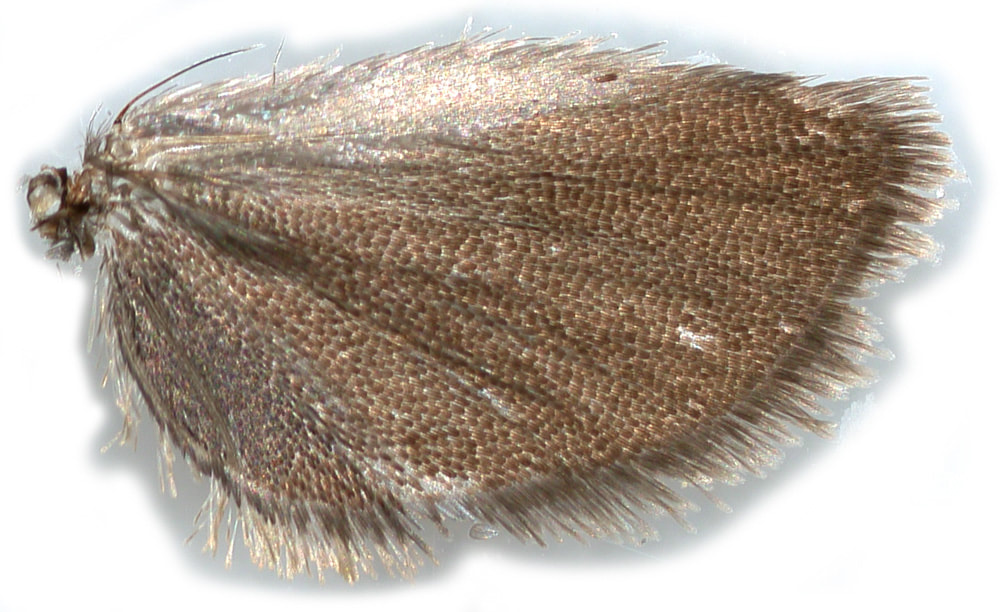

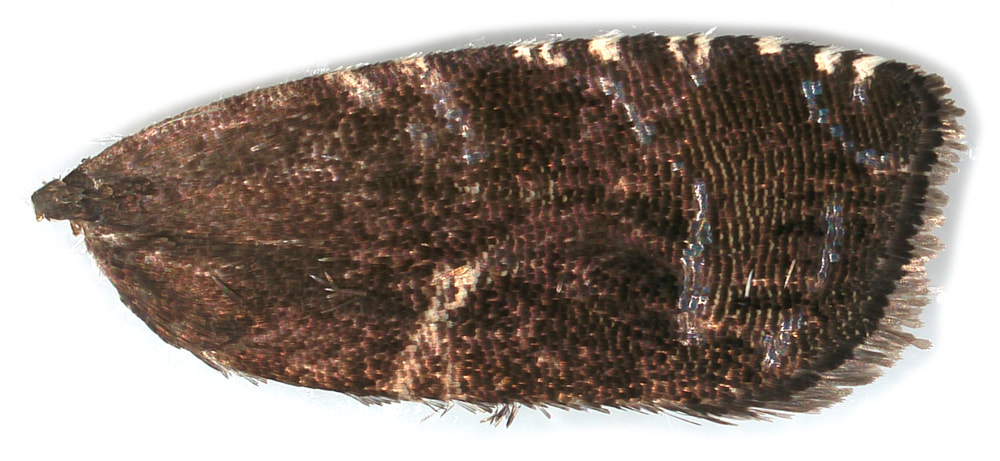
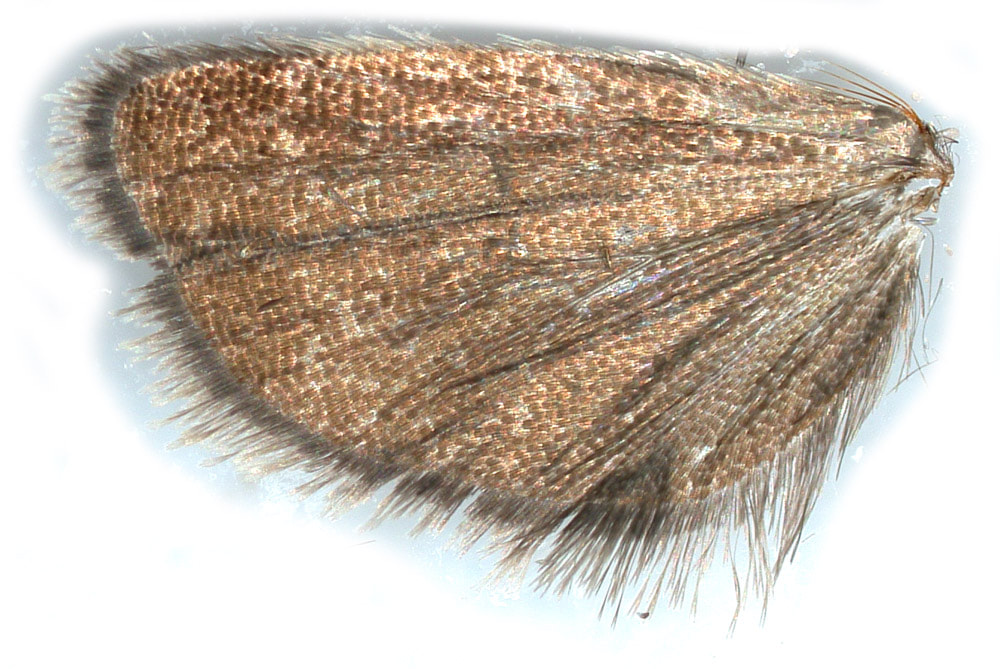
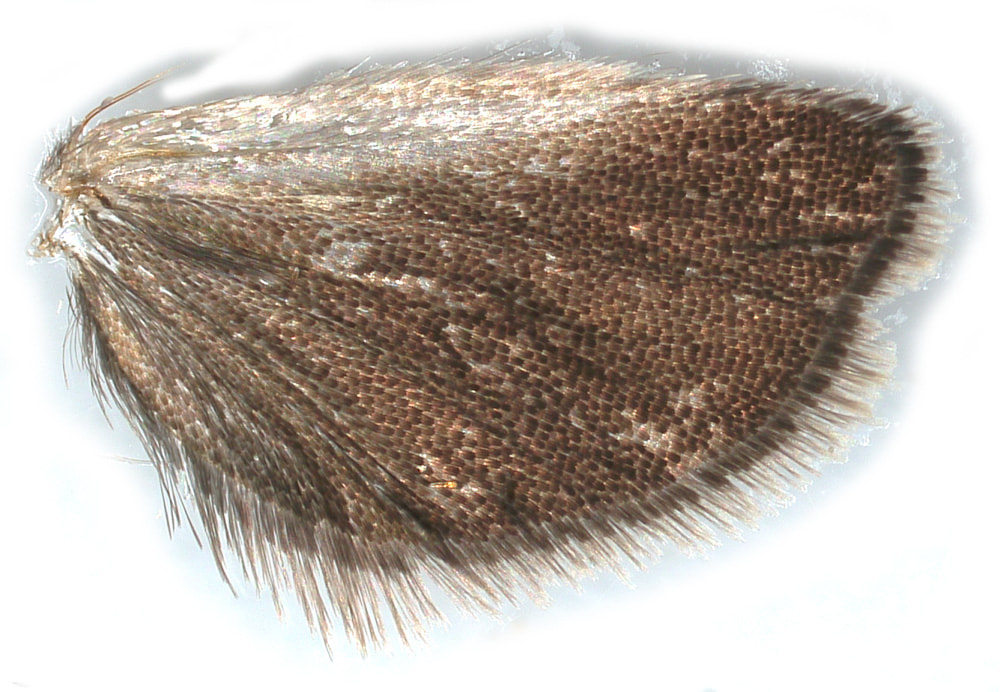
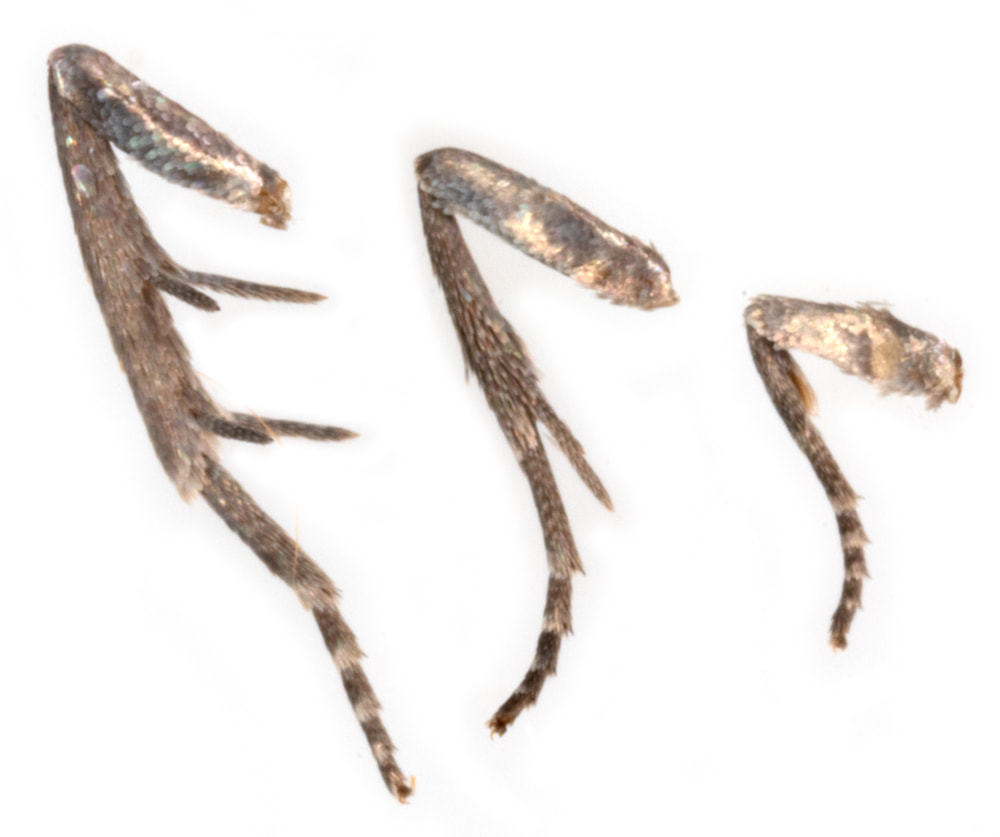
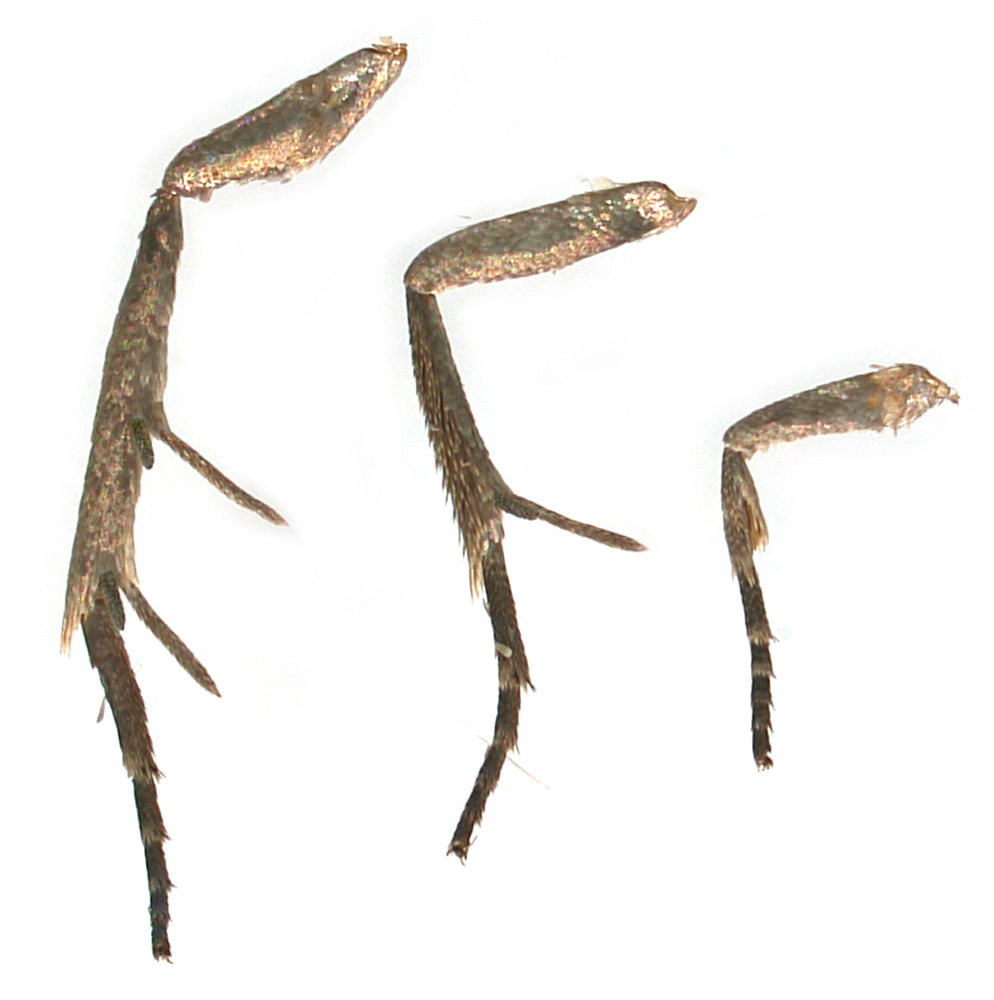
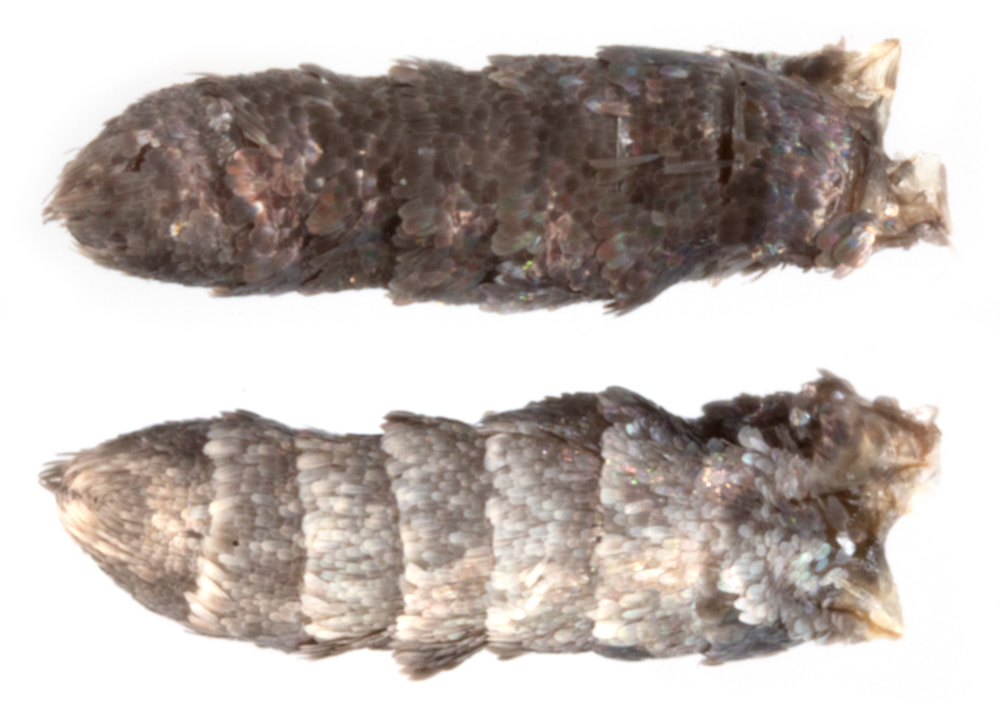
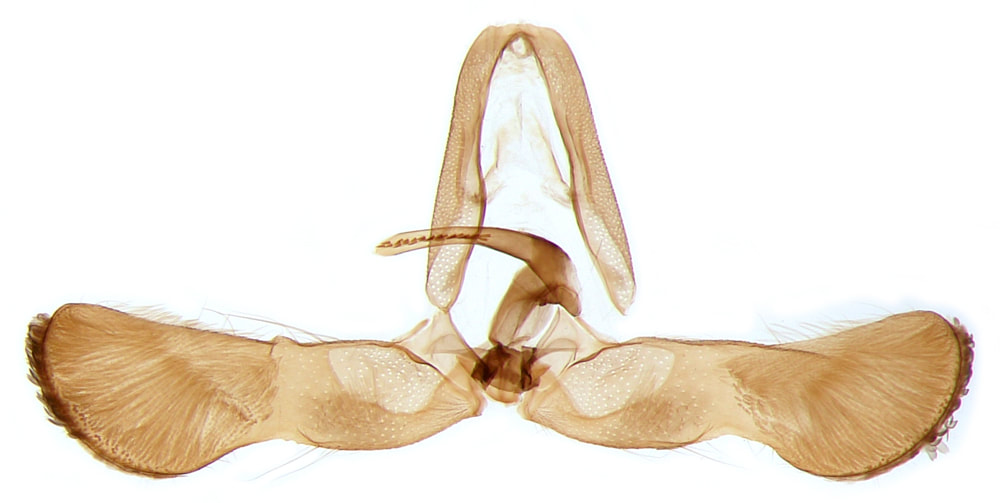

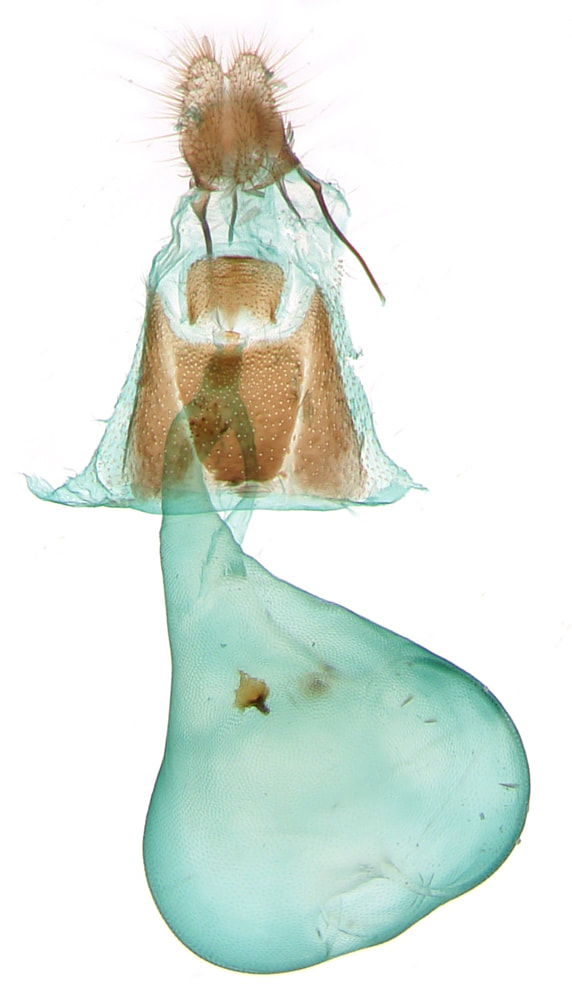
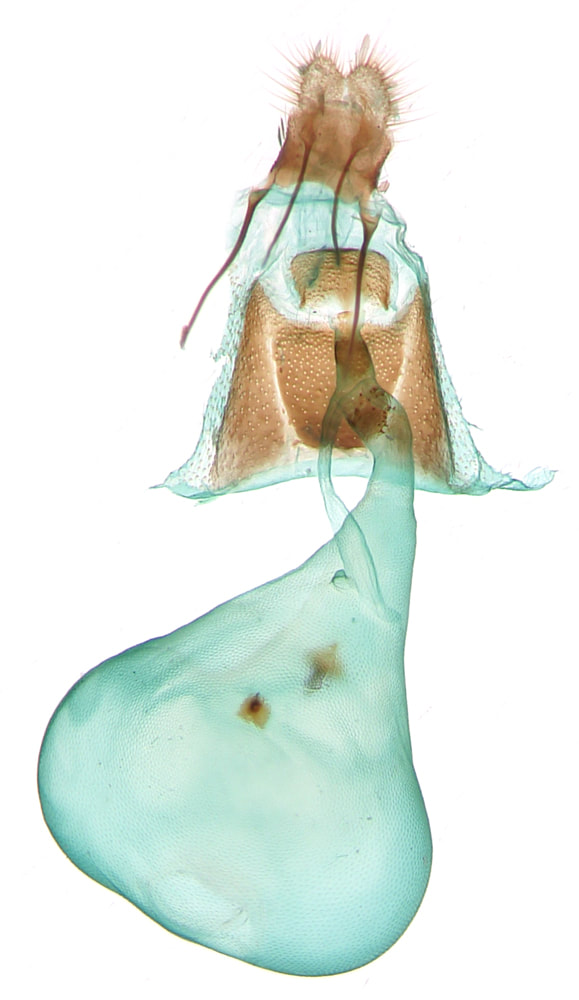

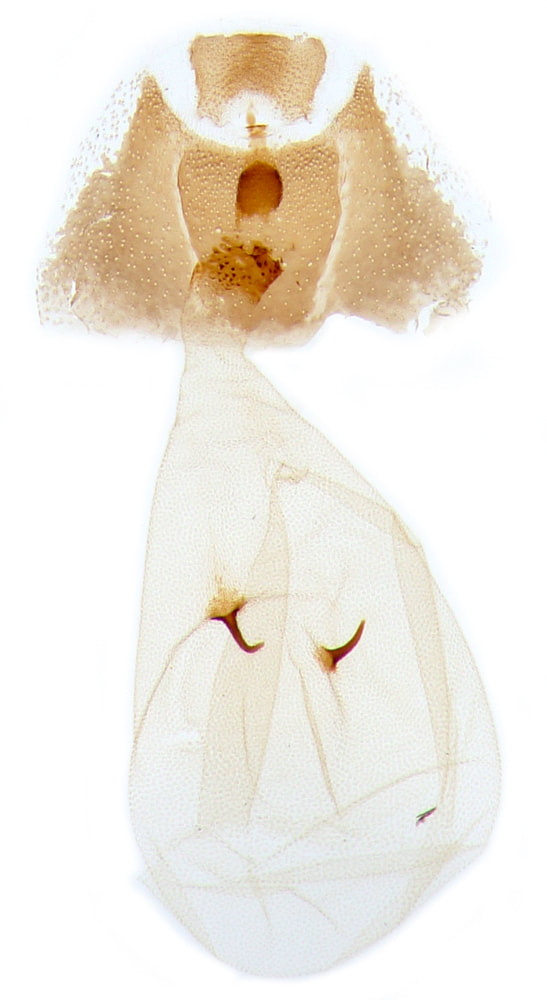
§1 Covert Woods, Kent; 09/06/2022; female; fw 6.2mm
§2 Covert Woods, Kent; 09/06/2022; male; fw 5.8mm
§3 Covert Woods, Kent; 09/06/2022; female; fw 6.9mm
All images © Chris Lewis
§2 Covert Woods, Kent; 09/06/2022; male; fw 5.8mm
§3 Covert Woods, Kent; 09/06/2022; female; fw 6.9mm
All images © Chris Lewis
Page published 08/07/2022 (§1-3)
